Ask someone who enjoys a strong cup of Indian chai what matters most, and the answer is usually simple: good flavour, a satisfying aroma, and enough strength to taste the tea even after adding milk.
Assam tea has long been a favourite for this kind of chai. But if you've been exploring different Assam teas online, you may have come across a more specific name: Upper Assam tea.
What makes this region special? Does it produce better tea than other parts of Assam? And how do you choose between CTC, orthodox and the many products advertised as premium Assam tea?
The answer depends on what you enjoy drinking.
A tea that tastes wonderful without milk might not be your first choice for kadak adrak chai. Similarly, a strong CTC tea designed for milk chai may not offer the experience someone expects from a delicate loose-leaf infusion.
This guide will help you understand what Upper Assam tea is known for, which varieties are worth considering, how to assess quality, and what to look for before buying.
What Is Upper Assam Tea?
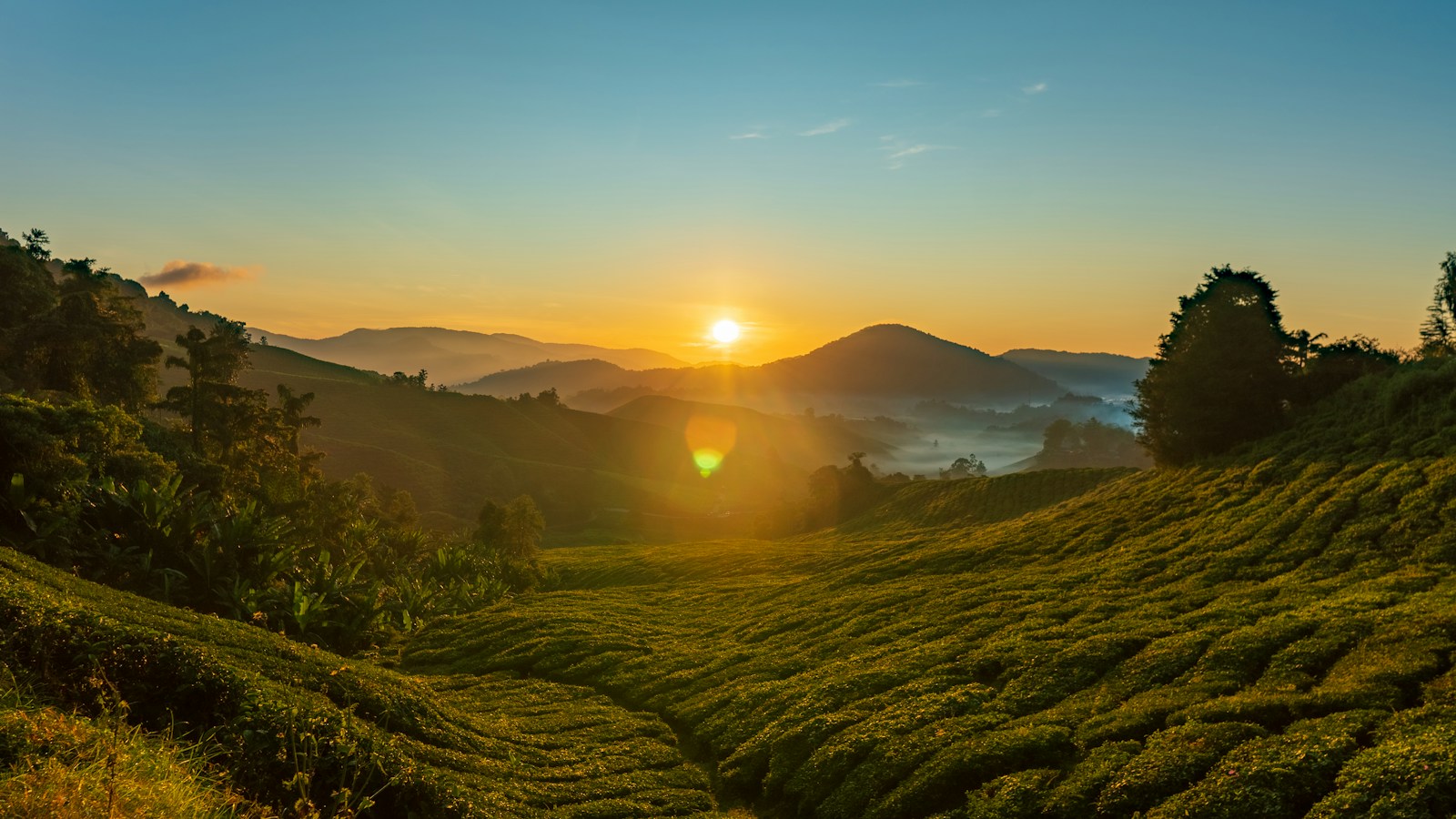
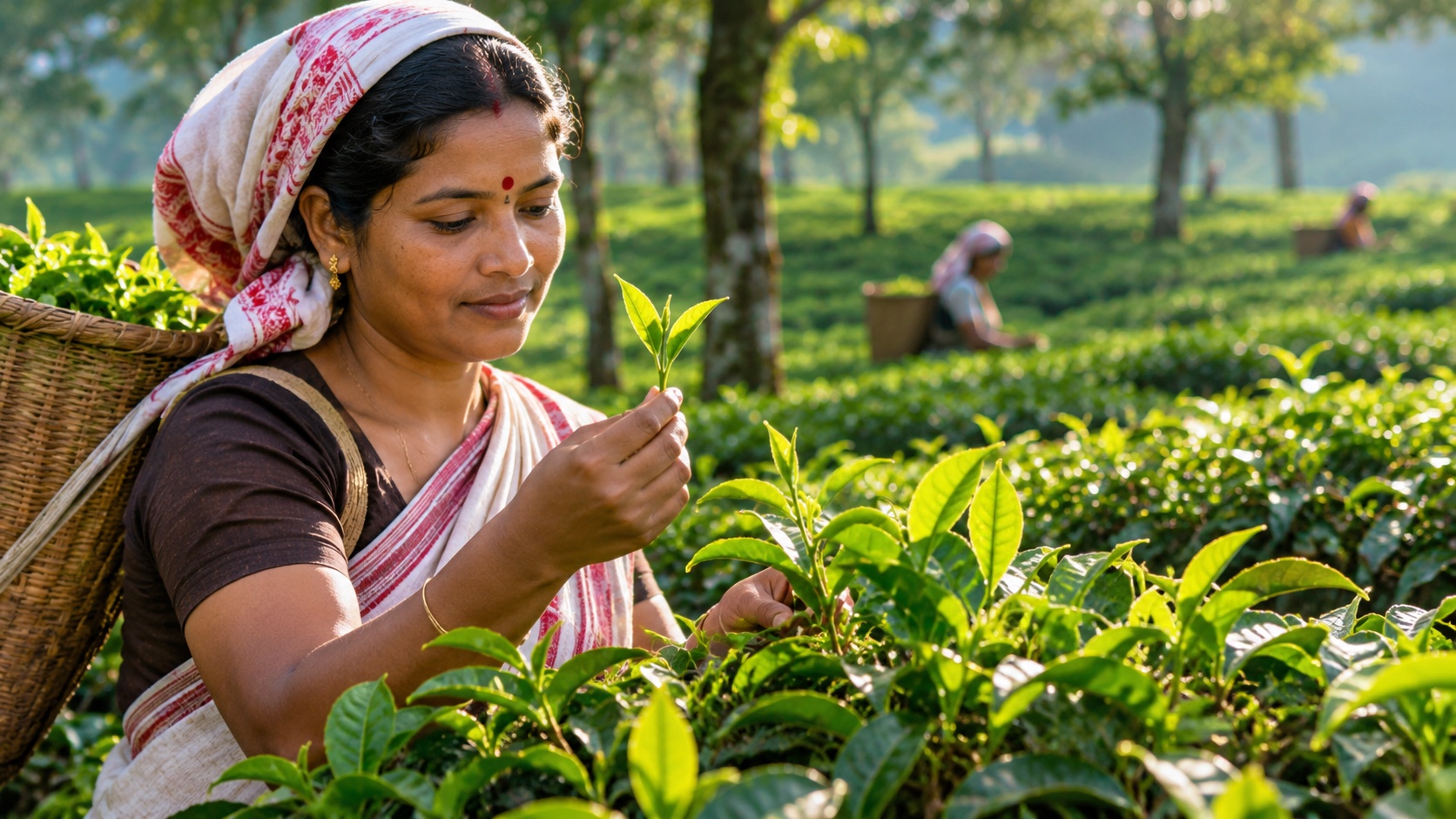
Upper Assam tea refers to tea grown in the Upper Assam region of northeastern India, including important tea-growing areas around Tinsukia, Dibrugarh, Sivasagar and Jorhat.
The region lies within the Brahmaputra Valley, one of India's best-known tea-growing areas.
Upper Assam is home to established tea estates, tea-processing facilities and small tea growers. Tea cultivation has been part of the region's economy and identity for generations.
The area is particularly associated with black teas that have the bold, brisk and malty characteristics commonly linked with Assam tea.
📌 An Important Distinction
Upper Assam describes where the tea comes from, not how it is made. Tea grown here may be processed into CTC granules, orthodox leaf tea or other styles. And although Upper Assam has an established reputation, its geographical origin doesn't automatically make every tea produced there superior. The quality of the leaves, manufacturing process, freshness and brewing method still matter.
Why Is Upper Assam Known for Its Tea?
The answer begins with the region's growing conditions.
Upper Assam generally experiences a warm, humid climate with substantial seasonal rainfall. Much of its tea cultivation takes place across the plains of the Brahmaputra Valley.
These conditions support extensive tea cultivation and contribute to the character of teas produced in the region.
Assam is widely recognised for black tea with a rich, full-bodied and malty flavour. The Tea Board of India describes Assam tea as having a strong, brisk character and a deep amber-coloured infusion.
For someone who enjoys milk chai, those characteristics can be particularly appealing. A robust tea is often better able to retain a noticeable flavour after milk is added.
A Region with a Long Tea-Growing Heritage
Upper Assam has played an important role in India's commercial tea industry for nearly two centuries.
Today, tea production involves both large estates and smaller growers.
While well-known estates often receive more attention, the size of a tea garden doesn't determine the quality of every batch it produces. The way leaves are grown, harvested, processed and handled all contribute to the finished tea.
For someone buying tea, that's a more useful consideration than simply choosing a product because it comes from a famous estate.
Does Tea from Upper Assam Taste Different?
It can, although there isn't one flavour profile shared by every Upper Assam tea.
Many black teas from the region have the strength, body and malty notes associated with Assam. However, a tea's exact flavour depends on factors such as its cultivar, growing conditions, harvest, processing and preparation.
Two teas sourced from Upper Assam may produce noticeably different cups. That variety is part of what makes the region interesting to explore.
What Does Upper Assam Tea Taste Like?
If you're familiar with strong Indian chai, you may already recognise some of the characteristics associated with Assam tea.
Many Assam black teas produce a rich, substantial cup with noticeable briskness and a malty flavour. But what do these descriptions actually mean?
- Full-bodied: Means the tea has a relatively rich, substantial feel when you drink it, rather than tasting thin or watery.
- Malty: Describes a rounded flavour that can remind you of malt or cereal-like notes.
- Brisk: Refers to a lively, slightly sharp character that makes the tea taste refreshing.
These characteristics help explain why Assam tea is popular for everyday milk chai. When milk is added, it softens some of the tea's sharper notes while allowing a robust Assam tea to retain its flavour.
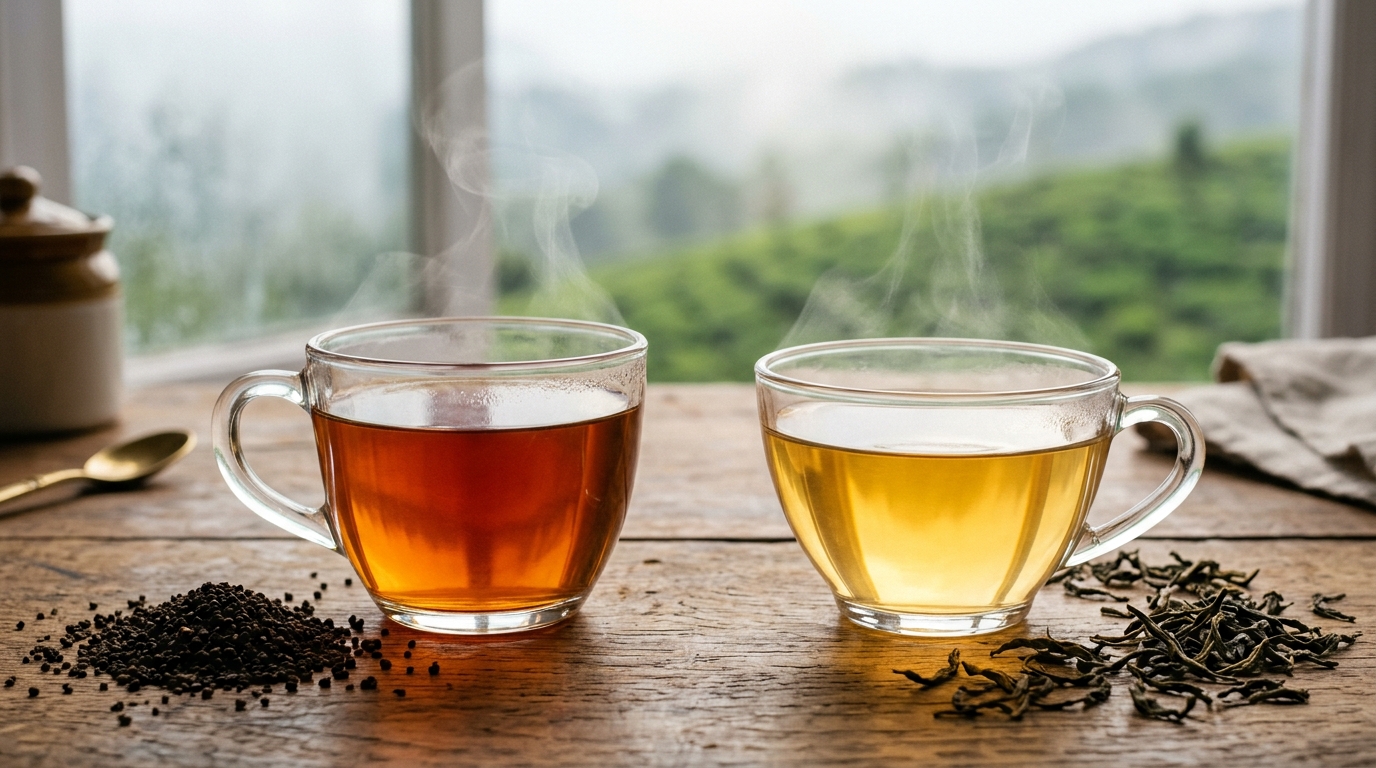
That said, Assam tea doesn't have to be prepared with milk. Certain orthodox varieties can be particularly enjoyable when brewed with water alone, allowing their natural aromas and flavours to come through.
Does Darker Tea Mean Better Tea?
Not necessarily.
The deep amber or reddish-brown colour of Assam black tea is one of its familiar characteristics, but colour alone isn't a reliable measure of quality.
A darker infusion may simply mean you've used more tea or brewed it longer.
When evaluating a tea, pay attention to its aroma, flavour, balance and how it tastes in your usual preparation. A satisfying cup should have the character you enjoy without unnecessary harshness or bitterness.
Which Is the Best Tea from Upper Assam?
There isn't one Upper Assam tea that suits everyone.
The better question is: What kind of tea do you enjoy drinking?
For someone who prepares milk chai every morning, a good Assam CTC tea may be the most suitable choice. Someone who prefers black tea without milk may enjoy exploring Assam orthodox varieties instead.
Here's how to decide.
Best for Strong Everyday Milk Chai: Assam CTC Tea
CTC stands for Crush, Tear, Curl.
It's a manufacturing process that turns tea leaves into small granules. These particles can release colour and flavour relatively quickly, making CTC tea convenient for preparing Indian milk chai.
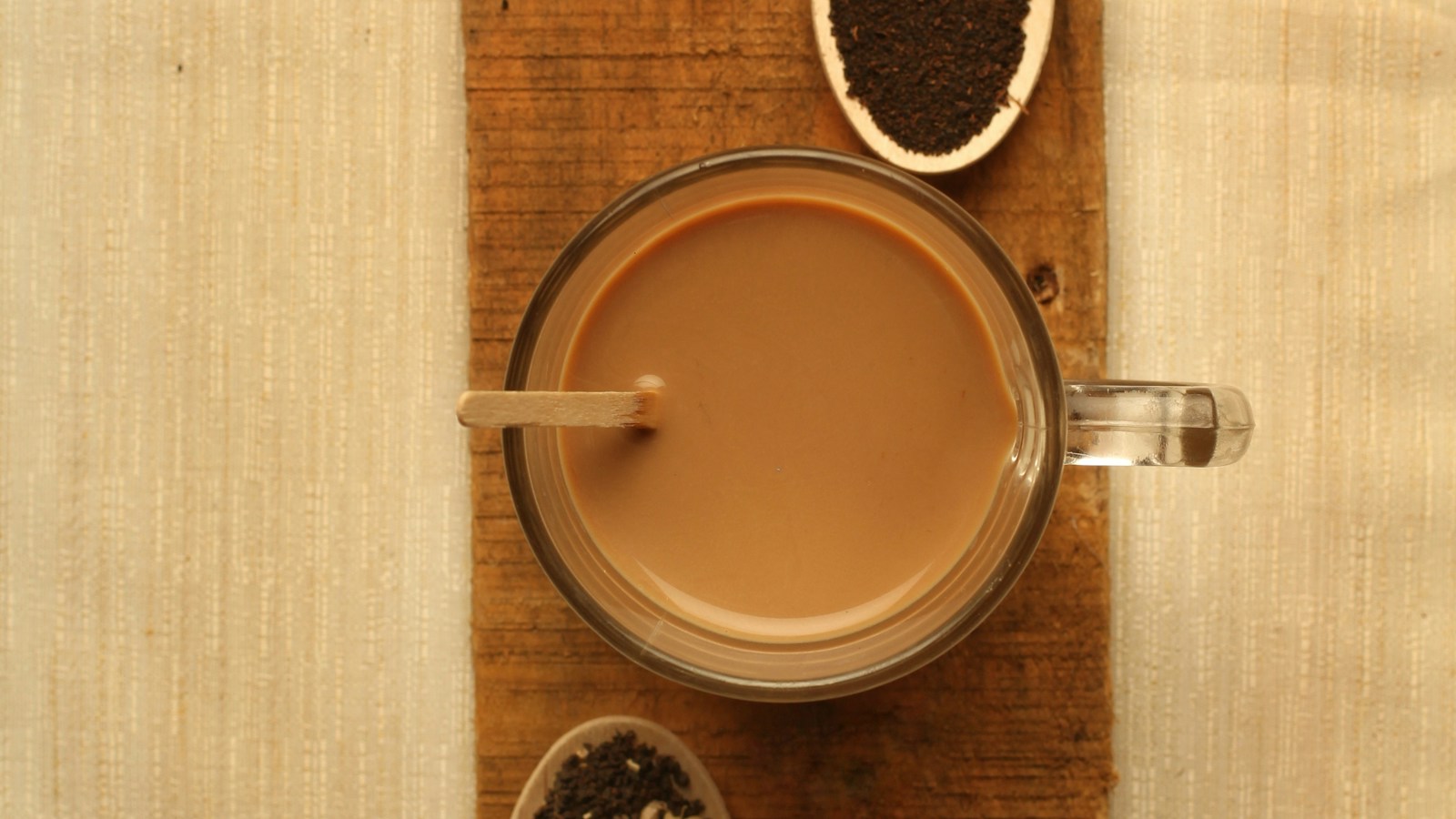
Assam CTC is widely used in households where tea is simmered with water, milk and sometimes sugar or spices. Its robust character can remain noticeable even after milk is added.
If you prefer the familiar taste of kadak chai, Assam CTC is often a sensible starting point.
However, strong tea doesn't have to taste excessively bitter. Using too much chai patti or boiling it for too long can affect the balance of your cup.
For a detailed explanation of the processing method, tea grades and preparation, read our guide on Assam CTC tea.
Best for Drinking Without Milk: Assam Orthodox Tea
Orthodox tea is manufactured using methods that generally preserve more of the leaf's original shape than CTC processing.
Depending on the tea, the finished leaves may look twisted, rolled or relatively whole.
Assam orthodox teas can offer different aromas and flavour characteristics, making them worth exploring if you enjoy drinking tea without milk. Some varieties have the familiar malty character of Assam, while others may offer more subtle notes.
You don't need to be a tea expert to appreciate the difference. Try brewing an orthodox Assam tea without milk and notice its aroma before taking a sip. Pay attention to how the flavour changes as the tea cools slightly. It's a simple way to explore another side of Assam tea.
Best for Exploring Premium Assam Tea: Selected Orthodox Varieties
If you're interested in specialty tea, certain Assam orthodox varieties are worth considering. Second-flush Assam orthodox teas, for example, are recognised for their rich character and bright infusion.
However, the word premium on a packet isn't enough to tell you whether a tea is worth its price.
Look for useful details about the tea's origin, harvesting, processing and characteristics. An expensive tea may offer something distinctive, but that doesn't automatically make it the best choice for your everyday cup.
Best for Adrak, Elaichi and Masala Chai: Robust Assam Tea
For many Indian tea drinkers, the best cup isn't just about the tea leaves. It's also about the familiar ingredients added during preparation.
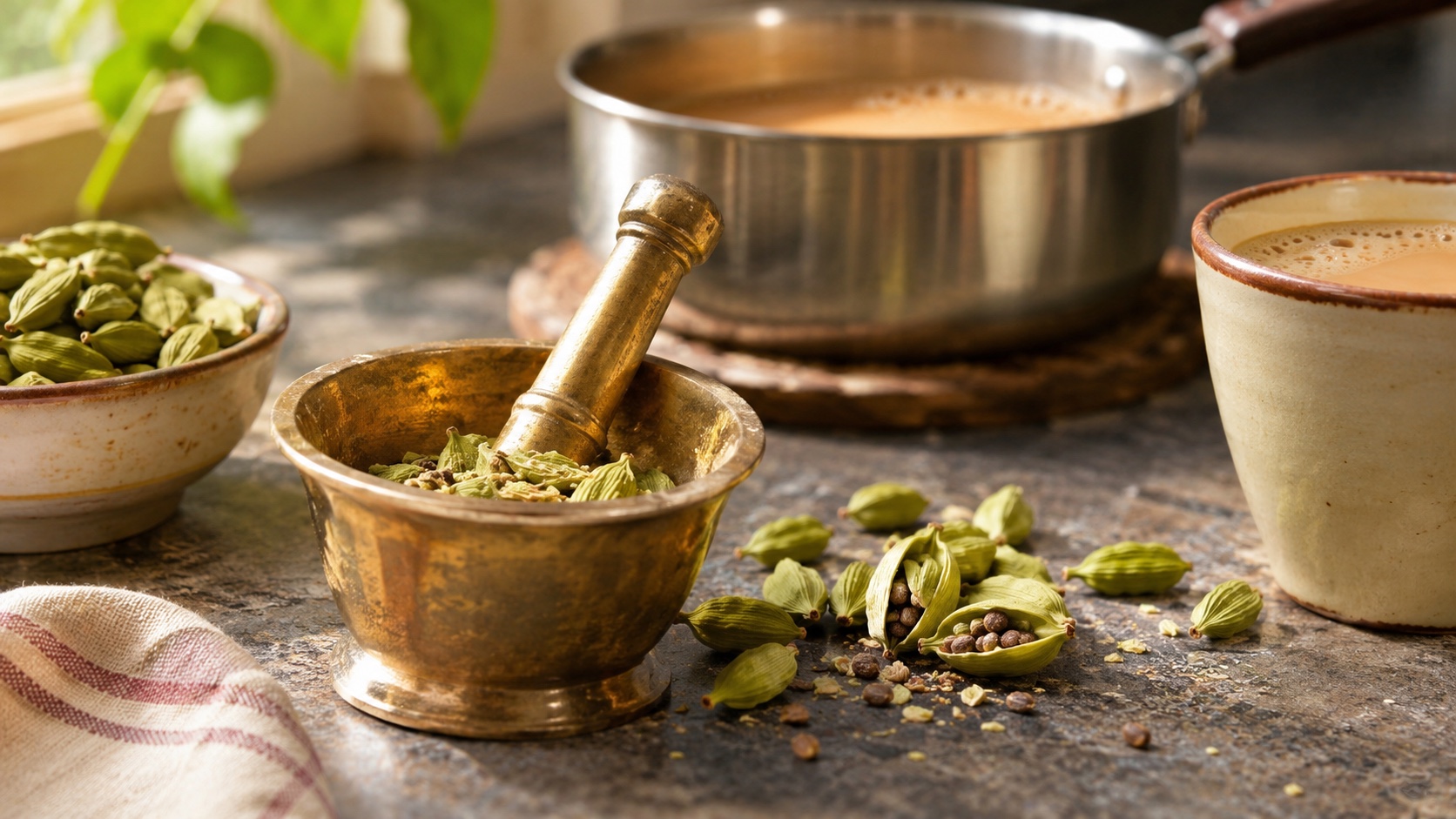
Ginger brings a sharp, warming flavour. Cardamom adds fragrance, while masala chai combines several spices to create a more layered cup.
A robust Assam tea provides a suitable base for these preparations because its flavour can remain noticeable alongside milk and spices. This is one reason Assam CTC is commonly used for flavoured Indian chai.
The trick is getting the balance right. Too many spices can overpower the tea, while too much chai patti can make the finished cup unpleasantly bitter. A good cup should allow the ingredients to complement one another.
Which Type Should You Choose?
| Your Preference | Tea Worth Trying | Why |
|---|---|---|
| Strong everyday milk chai | Assam CTC | Robust flavour that works well with milk |
| Ginger or masala chai | Assam CTC | Complements familiar chai spices |
| Black tea without milk | Assam orthodox | Offers different aromas and flavour profiles |
| Exploring specialty tea | Selected orthodox varieties | An opportunity to try different seasonal characteristics |
| Quick daily preparation | Assam CTC | Generally releases flavour relatively quickly |
If you're unsure, start with the tea style that suits your usual preparation. There's little benefit in paying more for a specialty variety if it doesn't match how you enjoy drinking tea.
How to Identify Good-Quality Upper Assam Tea
Finding good tea online can be difficult because you can't smell or taste the product before ordering.
Terms such as premium, extra strong and original Assam tea may sound appealing, but they don't tell you everything about what's inside the packet.
A few practical checks can help.
Check the Origin
If you're specifically looking for tea from Upper Assam, see whether the seller provides clear sourcing information.
A product that identifies its sourcing region gives you more context than one that simply uses a broad claim about quality.
For example, Doomdooma in Tinsukia district is part of Upper Assam's established tea-growing region.
Knowing the origin can help you compare products, although it shouldn't be treated as proof of quality by itself.
Know Whether You're Buying CTC or Orthodox Tea
This matters more than many first-time buyers realise.
If you want a strong cup prepared with milk, Assam CTC may be more suitable. If you're interested in exploring loose-leaf teas without milk, an orthodox variety may be worth trying.
Also, remember that loose tea and orthodox tea aren't interchangeable terms. Loose tea refers to tea sold outside individual tea bags. Both CTC and orthodox teas can be sold loose.
Look for Freshness and Proper Packaging
Tea can gradually lose its aroma when repeatedly exposed to air, heat, moisture or strong odours.
Before ordering, check the pack information, including relevant date markings and storage instructions. Once opened, tea should have a characteristic aroma without signs of dampness or mustiness. Avoid using tea that shows visible mould or contamination.
Good packaging helps protect the tea, but freshness alone isn't the whole story. Processing and storage conditions also influence quality.
Don't Judge Tea Only by Leaf Size
You may notice grades such as BOP, PF or Dust while shopping for Assam CTC tea. These terms help describe the size or appearance of processed tea particles.
Smaller particles often release flavour more quickly, which can be useful for milk chai. But smaller doesn't automatically mean inferior. Likewise, large leaves don't guarantee better flavour. What matters is how well the tea has been produced and whether the resulting cup suits your preferences.
Read the Product Label
When buying packaged tea in India, check the information provided on the label. Pay attention to the ingredients, net quantity, relevant date markings, FSSAI licence details and storage instructions.
This is especially useful when purchasing flavoured chai. A plain Assam tea and an adrak or elaichi blend may contain different ingredients. Reading the label helps you understand what you're purchasing rather than relying only on the product name.
Finally, Judge the Tea in Your Cup
Packaging and product descriptions help you choose, but the drinking experience is what matters most.
When you try a new tea, notice whether it produces the flavour you were expecting:
- For milk chai, does the tea retain its character after adding milk?
- Does it work well with the ginger, cardamom or sugar you normally use?
- If you drink tea without milk, how do you find its aroma, flavour and aftertaste?
A tea that performs well in your usual preparation is often a better purchase than one chosen solely for its reputation.
🍃 Find Your Everyday Chai
Looking for a flavourful cup of everyday chai? Explore Saapati's Assam tea range, sourced from Doomdooma, Upper Assam. Choose from Plain Tea, Adrak Chai, Elaichi Chai and Masala Chai to find a flavour that suits your preferences.
Explore Our Tea Varieties →What Is the Price of Tea from Upper Assam?
If you've searched for Upper Assam tea online, you've probably noticed that prices vary considerably.
Some products are sold as everyday household chai, while others are positioned as specialty or premium teas. The difference isn't always explained clearly.
Tea prices can depend on the type of leaves, harvesting season, processing, grade, packaging, brand and seller.
For example, an everyday Assam CTC blend and a specialty Assam orthodox tea may have very different prices because they're intended for different drinking experiences.
How Much Does 1kg of Upper Assam Tea Cost?
There is no single fixed retail price for 1kg of Upper Assam tea. Prices vary according to the product, quality, packaging and where you buy it.
If you're comparing 1kg packs online, make sure you're looking at similar types of tea. Comparing a standard CTC blend with a specialty orthodox variety may not tell you much about value.
Also, remember that a larger pack isn't necessarily the better purchase if you're trying a tea for the first time.
How to Compare Tea Prices Fairly
One simple approach is to compare prices per 100g rather than looking only at the packet price.
| Pack | Quantity | Example Price | Price per 100g |
|---|---|---|---|
| Tea A | 250g | ₹150 | ₹60 |
| Tea B | 500g | ₹260 | ₹52 |
Tea B costs more overall but less per 100g. If you regularly drink that particular tea, the larger pack may offer better value. However, the lower unit price doesn't mean it will taste better. Consider quality and your preferences alongside cost.
Should You Buy 250g, 500g or 1kg?
If you're trying a new tea, a smaller pack is usually a sensible choice. It gives you an opportunity to prepare several cups and decide whether you enjoy the flavour.
Once you've found a tea you like, a larger pack may offer better value, particularly if your household consumes it regularly. Just make sure you can store it properly and use it within the recommended period. There's no advantage in buying a large quantity if the tea will spend months exposed to air or moisture.
Where Can You Buy Good Upper Assam Tea Online?
You don't necessarily need to visit Assam to explore teas from the region.
Many sellers now offer Assam CTC and orthodox teas online, including products with more specific sourcing information. The challenge is choosing a product that matches what you're looking for.
Start by checking the listing carefully:
- Does it explain whether the tea is CTC or orthodox?
- Is the origin clearly stated?
- Are the ingredients, quantity and storage details available?
- Can you find information about the seller and its customer-support policies?
These details are more useful than a product description filled with claims such as India's finest or number one Assam tea.
Customer reviews can also help, particularly when buyers describe how the tea tastes with milk or whether it suits strong chai. However, taste is personal. A tea that one customer considers perfectly strong may be too brisk for someone else.
Which Assam Tea Brand Is the Best?
There isn't one brand that will suit every tea drinker.
Different brands sell different products, and quality can vary between varieties. Rather than choosing purely by popularity, look for a brand that explains what it sells and provides the information you need to make a decision.
A good product should suit your taste, preferred preparation and budget. If you enjoy strong milk chai, that may matter far more than whether the tea comes in an expensive-looking packet.
From Doomdooma, Upper Assam: The Origin Behind Saapati's Tea
Upper Assam's tea-growing heritage is also part of Saapati's story.
Saapati sources its Assam tea from Doomdooma, in the Tinsukia district of Upper Assam. Doomdooma, also written Doom Dooma, is surrounded by an established tea-growing landscape and has long been associated with the region's tea industry.
For Saapati, this connection is relevant because the brand focuses on the kind of flavourful Assam tea that many Indian households enjoy every day.
But knowing where tea comes from is only part of choosing a product. How it tastes, how it's prepared and whether it suits your routine matter just as much.
Finding Your Preferred Saapati Flavour
Not everyone enjoys chai in the same way. Some people prefer a simple, strong cup with milk. Others enjoy the distinctive taste of ginger or the fragrance of cardamom.
Saapati offers four authentic Assam tea options:
🍵 Plain Tea
For those who enjoy a straightforward cup of Assam chai and prefer to adjust the milk, sweetness or spices themselves.
🫚 Adrak Chai
For people who enjoy the warm, sharp and soothing punch of real ginger in their everyday morning tea.
🌿 Elaichi Chai
For those who love the fragrant, delicate sweet floral aroma of fresh green cardamom pods.
🌶️ Masala Chai
For tea drinkers who relish a fuller, spiced blend combining authentic Indian whole spices.
If you're unsure which one to try, think about the flavour you most often reach for at home. Sometimes the best place to start is with a tea that already suits your routine.
How to Brew Upper Assam Tea for the Best Taste
Even a good tea can become too bitter or taste weak if the proportions aren't right.
The preparation method depends on the type of tea you're using. For everyday milk chai, Assam CTC is often convenient. Orthodox Assam teas may be better suited to a different brewing approach, depending on the product.
☕ A Simple Assam Milk Chai Recipe
Ingredients (For 1 Serving)
- 1 teaspoon Assam CTC tea
- ½ cup water
- ½ cup milk
- Sugar, if preferred
- Ginger or cardamom, if desired
Method
- Bring the water to a boil in a saucepan.
- Add crushed ginger or cardamom if you're using them.
- Add the tea leaves and let it brew briefly.
- Pour in the milk and bring the mixture back to a gentle simmer.
- Continue heating until it reaches your preferred strength.
- Add sugar if desired.
- Strain into a cup and serve piping hot.
Brewing Tip: These proportions are a starting point. If you enjoy a stronger cup, adjust the tea quantity slightly. If the chai becomes bitter, try reducing the amount of tea or the simmering time. You don't need to boil tea excessively to make a satisfying cup.
🍃 Brewing Assam Orthodox Tea (Without Milk)
If you've purchased Assam orthodox tea and want to enjoy it without milk, begin with approximately 2g of leaves for 200ml of water.
Use freshly heated water at a suitable temperature (around 90°C–95°C) and start with a steeping time of around 3–4 minutes.
Follow the producer's instructions where available, as different orthodox teas may benefit from different brewing conditions.
Tasting Advice: Taste before adjusting the strength. This allows you to experience the tea's natural characteristics and malty nuance without immediately adding milk or spices.
How to Store Assam Tea
Once opened, keep tea in a clean, airtight container.
Store it away from moisture, direct sunlight, heat and strong-smelling ingredients. Avoid leaving an open tea packet near the stove or sink.
If you purchase a large quantity, consider keeping a smaller amount in a container for everyday use while leaving the rest properly sealed. Good storage helps preserve the tea's aroma and flavour.
Frequently Asked Questions About Upper Assam Tea
The Takeaway: How to Find the Best Tea from Upper Assam
Upper Assam is one of India's important tea-growing regions, known for its established tea gardens and distinctive black teas.
Its reputation is well earned, but that doesn't mean every tea from the region will suit every person.
If you enjoy strong everyday milk chai, Assam CTC is a practical place to start. If you prefer drinking tea without milk and exploring different aromas, Assam orthodox varieties are worth considering.
Before buying, look beyond the packaging. Check the tea's origin, type, freshness and product information, and choose a pack size that makes sense for your household.
Most importantly, pay attention to how the tea tastes when you prepare it the way you enjoy it. The best tea from Upper Assam isn't necessarily the most expensive or strongest. It's the one that makes a satisfying cup for you.
Explore the Taste of Upper Assam with Saapati
Discover Saapati's Assam tea range, sourced from Doomdooma, Upper Assam. Whether you enjoy classic Plain Tea or prefer the familiar flavours of Adrak, Elaichi and Masala Chai, find a cup that suits your everyday routine.