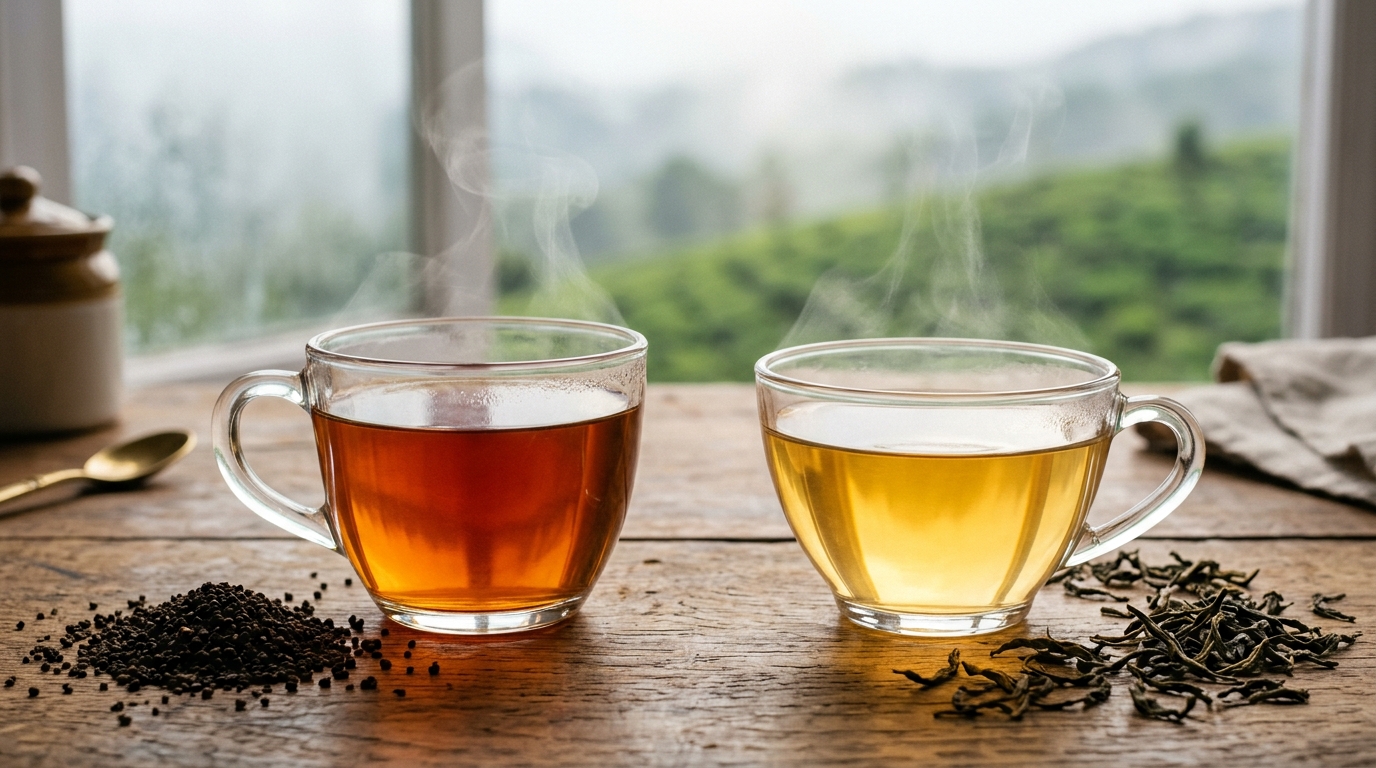
If you've ever compared Assam and Darjeeling tea while shopping, you may have wondered why two teas from India can be so different. One is often associated with the strong, milky chai served in Indian homes and tea stalls. The other is known for its delicate aroma and distinctive flavour, often enjoyed without milk.
Assam tea and Darjeeling tea are both well-known Indian teas, but neither is automatically better than the other. A person who enjoys a strong cup of adrak chai might find Assam more satisfying. Someone who prefers a lighter, aromatic tea may enjoy Darjeeling instead.
But taste isn't the only difference. The regions where these teas grow, the way their leaves are processed, their seasonal characteristics and even their prices can influence which one you choose.
So, what is the difference between Assam and Darjeeling tea, and which one is right for you? Let's compare them in a way that helps you make that decision.
What Is the Difference Between Assam Tea and Darjeeling Tea?
The biggest difference between Assam and Darjeeling tea is their geographical origin and the flavour characteristics commonly associated with each region.
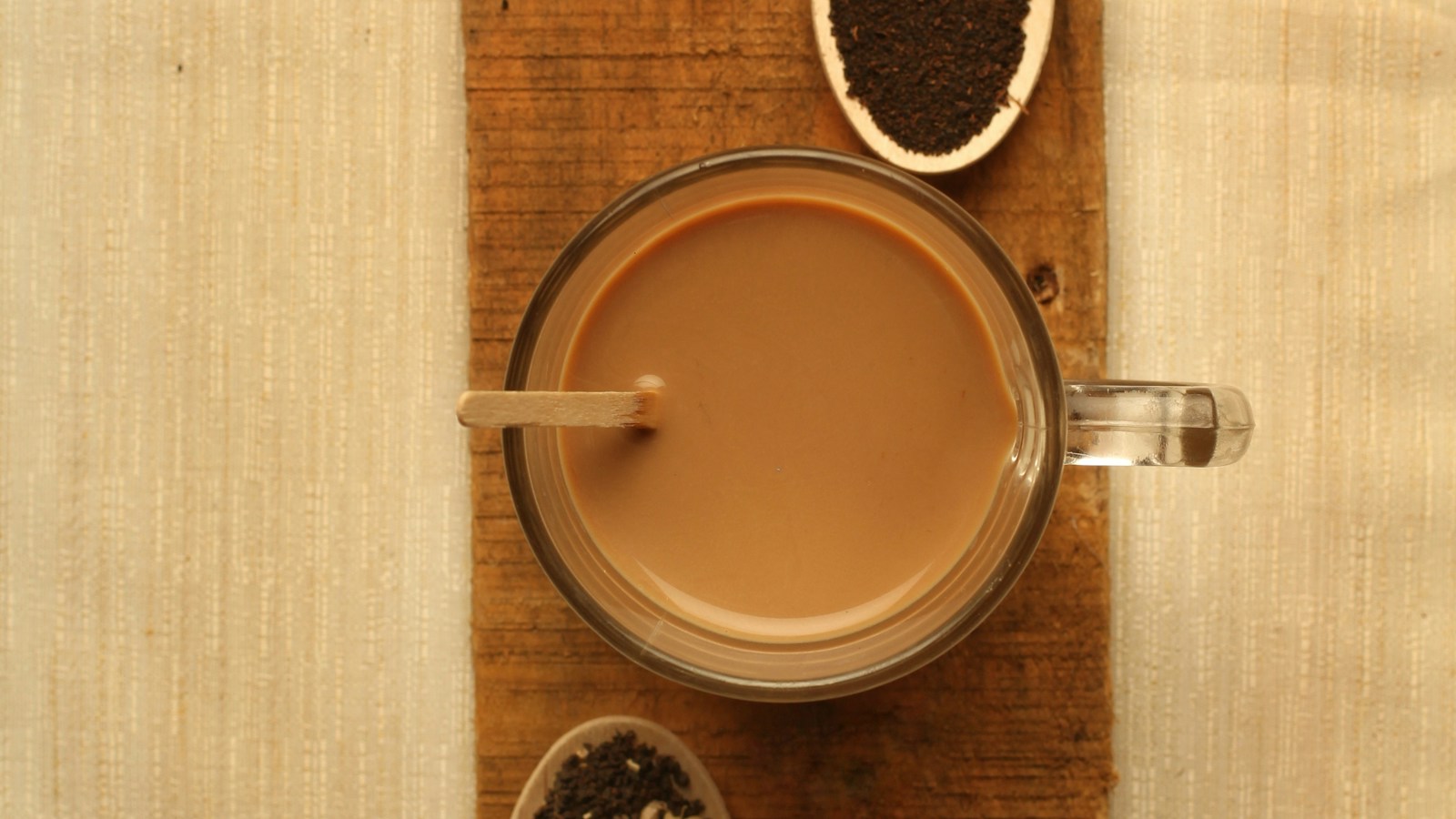
Assam tea comes from the state of Assam in northeastern India. It is particularly known for its strong, full-bodied and malty character. Many Assam teas, especially CTC varieties, work well with milk and are commonly used for everyday Indian chai.
Darjeeling tea comes from a designated tea-growing region in the Himalayan foothills of West Bengal. It is often appreciated for its delicate aroma and complex flavours, which may include floral, fruity or muscatel notes.
Assam is generally associated with a bolder cup, while Darjeeling is often chosen for its aroma and more subtle flavour. However, the exact experience depends on the tea variety, harvest, processing and brewing method.
Assam Tea vs. Darjeeling Tea: Quick Comparison
| Feature | Assam Tea | Darjeeling Tea |
|---|---|---|
| Origin | Assam, northeastern India | Darjeeling, West Bengal |
| Growing conditions | Predominantly warm, humid lowland areas | Mountainous Himalayan foothills |
| Typical flavour | Bold, brisk and malty | Floral, fruity, delicate or muscatel |
| Body | Often full-bodied | Often lighter, depending on the tea |
| Brew colour | Usually deep amber to reddish-brown | Golden to amber, depending on the variety |
| Processing | CTC and orthodox | Predominantly orthodox |
| Milk chai | Many varieties work particularly well | Often enjoyed without milk |
| Caffeine | Naturally contains caffeine | Naturally contains caffeine |
| Price | Depends on grade, quality and sourcing | Depends on garden, harvest, quality and sourcing |
| Best suited for | Strong chai and bold flavours | Aromatic tea and exploring subtle flavours |
Where Do Assam and Darjeeling Teas Come From?
A tea's growing region can influence its flavour, but geography is only part of the story. Climate, soil, tea plant varieties, harvesting and processing all contribute to the finished tea. Assam and Darjeeling have noticeably different growing environments.
Assam Tea: From the Brahmaputra Valley
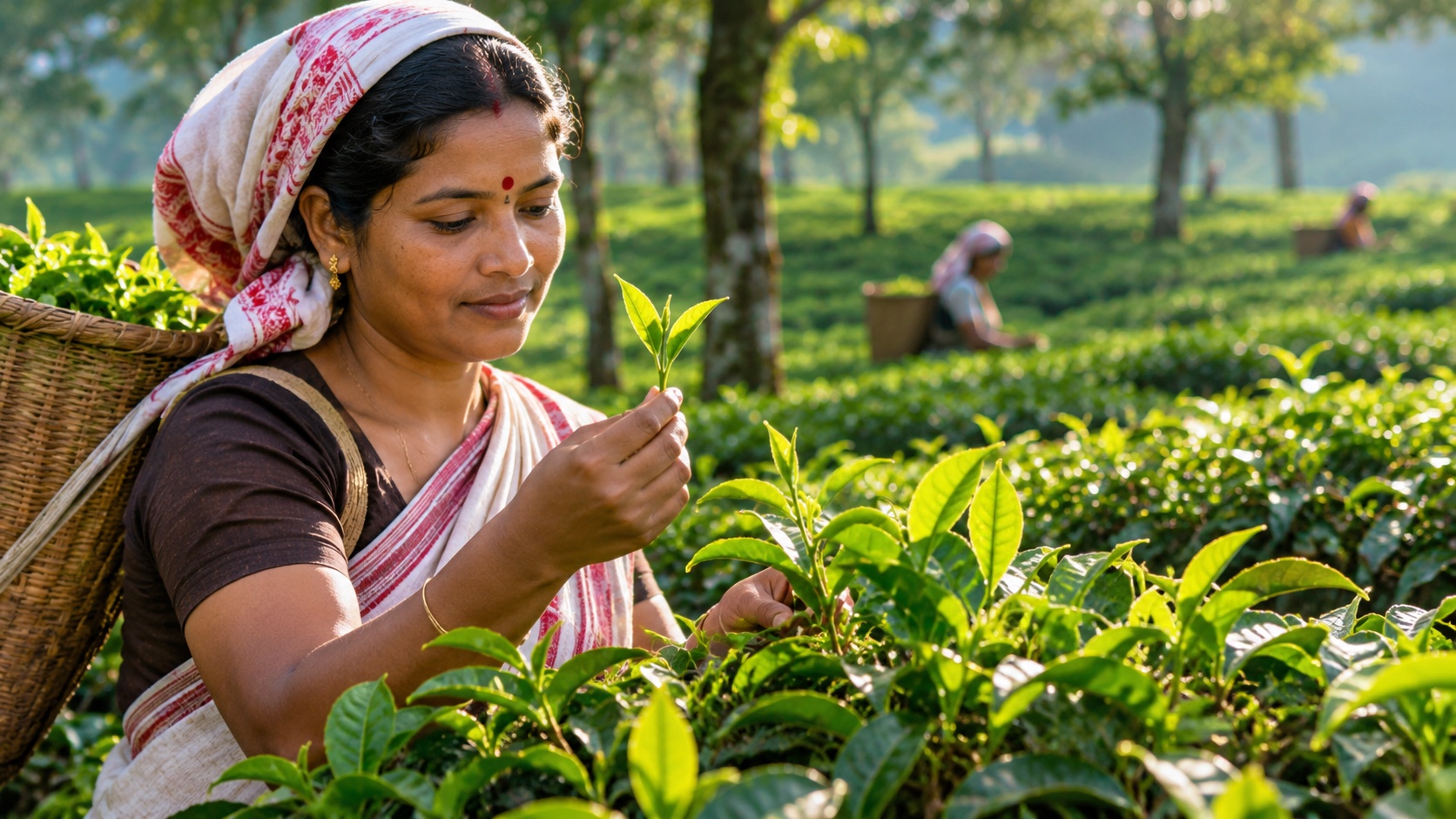
Assam is one of India's major tea-producing regions. Much of its tea cultivation takes place across the Brahmaputra Valley, where warm temperatures, humidity and substantial rainfall provide favourable conditions for tea plants.
The region is particularly associated with strong black teas that develop a rich, full-bodied character. Assam produces both CTC and orthodox teas. CTC tea is widely used for milk chai because it can produce a robust infusion relatively quickly. Orthodox Assam teas, meanwhile, can offer a different experience, including more nuanced flavour and aroma.
If you're interested in the region's tea-growing heritage, we've explored it in greater detail in our guide to what makes Assam tea special.
Darjeeling Tea: From the Himalayan Foothills
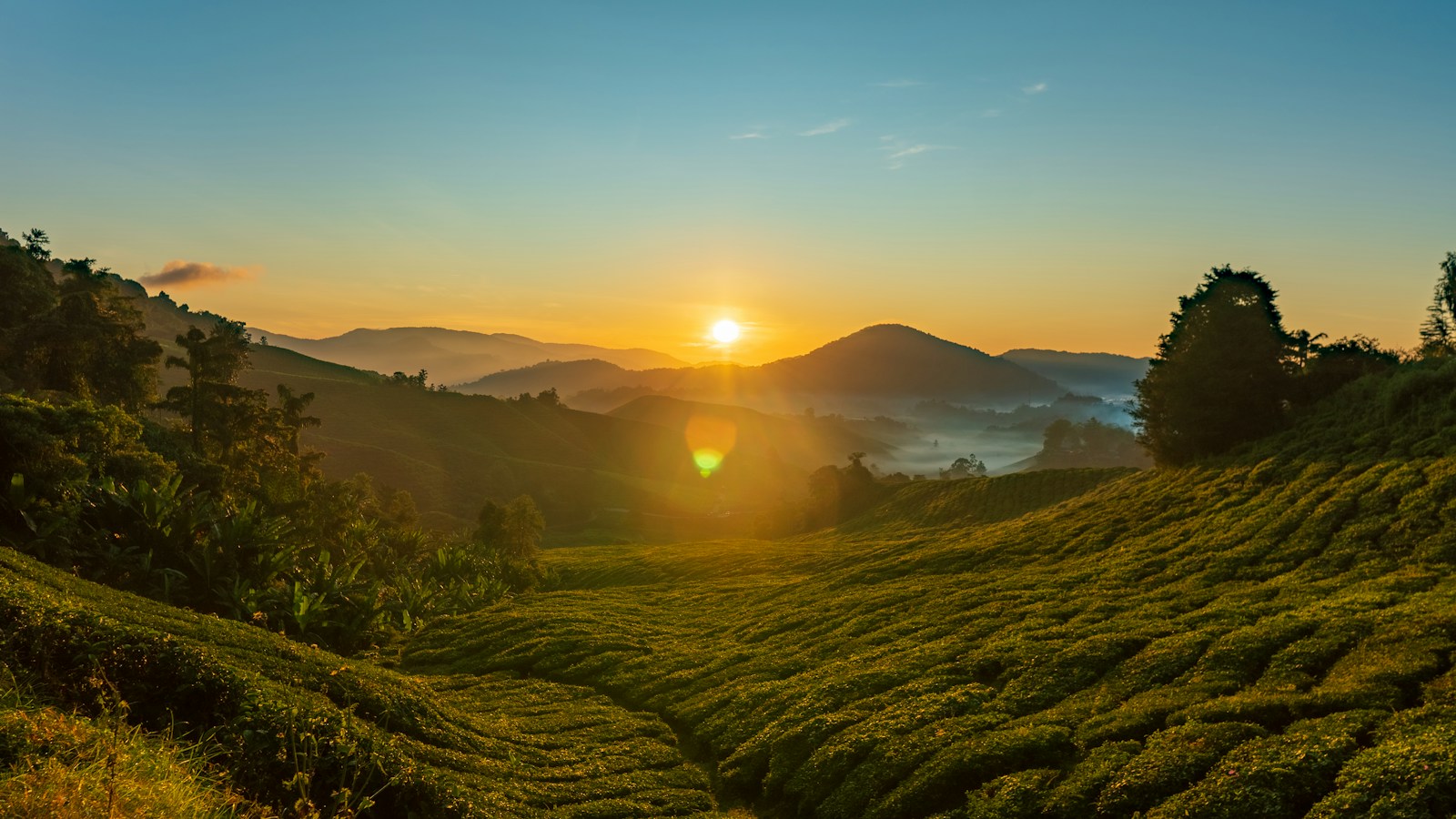
Darjeeling's tea gardens are situated in the hills of northern West Bengal. The mountainous terrain, cooler conditions at higher elevations and seasonal changes create a different growing environment from Assam's lowlands.
Darjeeling is especially recognised for its aromatic teas. Depending on the harvest, a cup may have floral notes, gentle fruitiness or a distinctive muscatel character.
🍇 What does muscatel mean?
Muscatel is a tasting term used for certain teas that develop a distinctive grape-like or fruity character. It is particularly associated with some second-flush Darjeeling teas. Not all Darjeeling tea tastes muscatel, however. The flavour varies considerably between gardens, seasons and processing styles.
Is Darjeeling Tea Geographically Protected?
Yes. Darjeeling Tea is registered as a Geographical Indication (GI) in India. This protection recognises its connection to a particular geographical region. Authentic Darjeeling tea must meet specified origin and production requirements. Tea grown elsewhere cannot simply be labelled genuine Darjeeling because it has a similar taste.
The Tea Board of India also operates a certification system intended to protect the authenticity of Darjeeling tea. If you're buying a product marketed as genuine Darjeeling, checking its origin and relevant certification details can help you make a more informed purchase.
Assam Tea vs. Darjeeling Tea: How Do They Taste Different?
Taste is probably the most noticeable difference between these two teas. However, descriptions such as malty, brisk and muscatel aren't always helpful if you've never tasted them before. Here's what they mean in an everyday cup.
What Does Assam Tea Taste Like?
Assam black tea is often described as strong, rich and full-bodied. A typical cup may have a malty flavour, noticeable briskness and a deep amber colour.
When tea experts describe Assam as malty, they're referring to a rounded flavour somewhat reminiscent of malt or cereal. Briskness describes a lively, slightly sharp quality that can make the tea feel refreshing.
These characteristics help explain why Assam tea is popular for Indian milk chai. When milk is added, it can soften some of the sharper notes while leaving enough tea flavour to create a satisfying cup. However, not every Assam tea tastes the same. The difference between a granular CTC tea and an orthodox Assam tea can be considerable, especially when both are prepared without milk.
What Does Darjeeling Tea Taste Like?
Darjeeling tea is generally appreciated for its aroma and layered flavours. Some varieties are floral and delicate. Others may taste fruitier, richer or more rounded. The harvesting season plays an important role:
- First-Flush Darjeeling Tea: First-flush tea comes from the early spring harvest. It is often associated with fresh, floral and sometimes lightly vegetal characteristics. Some first-flush Darjeeling teas produce a pale golden infusion and taste noticeably lighter than a typical strong Indian black tea. These teas are often enjoyed without milk so their natural aroma remains noticeable.
- Second-Flush Darjeeling Tea: Second-flush tea is harvested later, generally during late spring and early summer. Many second-flush Darjeeling teas have a fuller body and richer character than first-flush varieties. Some develop the distinctive muscatel notes for which Darjeeling is famous. That doesn't make second flush better than first flush. Someone who enjoys a fresh, delicate tea may prefer first flush, while another person might appreciate the richer flavour of a second-flush variety.
Which Tea Has a Stronger Flavour?
Assam tea is generally associated with a bolder flavour, particularly when comparing Assam CTC with delicate Darjeeling orthodox tea.
But the way you brew the tea matters. A lightly brewed Assam tea may taste milder than a strongly prepared Darjeeling tea. Similarly, adding milk can soften the flavour of either tea. If you enjoy a strong cup that retains its character after adding milk, Assam CTC is often a practical choice. If you prefer exploring aroma and subtler flavours, Darjeeling may be more rewarding.
Which Is Better for Indian Milk Chai: Assam or Darjeeling?
For someone who drinks chai with milk every day, this is often the deciding factor. In many Indian households, chai is prepared by simmering tea with water and milk. Sugar, ginger, cardamom or other spices may also be added. Not every tea performs equally well in this preparation.
Why Assam Tea Works Well With Milk
Assam CTC tea is commonly used for Indian milk chai because of its robust character. The small tea particles can release flavour and colour relatively quickly, making it convenient for everyday preparation. More importantly, its flavour can remain noticeable after milk is added.
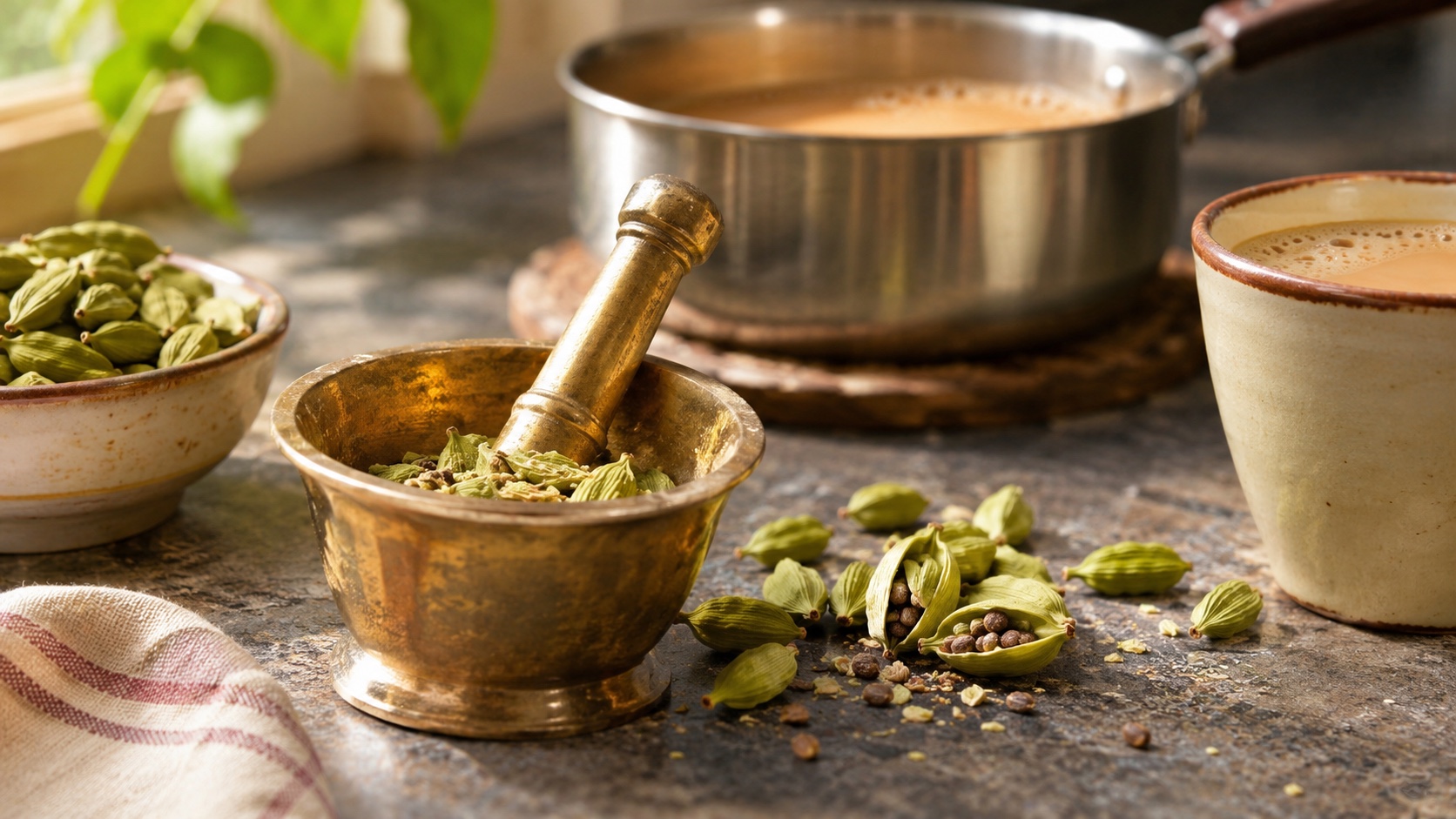
Think about a cup of ginger chai. Ginger has a sharp, distinctive flavour. A strong Assam tea base can provide enough depth to complement it without disappearing completely. The same principle applies to elaichi chai and masala chai, where cardamom and other spices contribute their own aromas.
That doesn't mean you need to use more tea to make a better cup. Too much chai patti or excessive boiling can produce an unpleasantly bitter result. The key is finding a balance between the tea, milk and other ingredients.
Can You Add Milk to Darjeeling Tea?
Of course. There is no rule against drinking Darjeeling tea with milk. However, certain delicate varieties may lose some of their distinctive aroma when mixed with milk and strong spices. For instance, if you've purchased a fragrant first-flush Darjeeling tea, preparing it without milk may give you a better opportunity to appreciate its flavour.
Fuller-bodied Darjeeling varieties may work differently. If you're unsure, try brewing a small cup without milk first. Taste it, then decide whether you'd prefer adding some.
Which Tea Should You Choose?
For strong everyday Indian milk chai, Assam CTC is often the more suitable starting point. For tea without milk, particularly when you enjoy floral or fruity aromas, Darjeeling is worth exploring. But personal preference matters more than following a fixed rule. You might enjoy Assam chai in the morning and Darjeeling tea later in the day. There's no need to limit yourself to one.
Assam Tea vs. Darjeeling Tea: Which Has More Caffeine?
A common belief is that Assam tea contains more caffeine because it tastes stronger. However, stronger flavour does not necessarily mean higher caffeine content. Both Assam and Darjeeling tea naturally contain caffeine. The amount in your cup depends on several factors, including the tea leaves, quantity used, brewing time and preparation method.
Does Assam Tea Contain More Caffeine?
Some Assam teas may contain more caffeine than some Darjeeling teas, but the reverse can also be true. It isn't possible to establish a reliable caffeine difference based only on geographical origin. For example, preparing a cup with two teaspoons of tea may produce a different caffeine concentration from using one teaspoon of the same product. Brewing time can also influence how much caffeine is extracted.
How Much Caffeine Is in Black Tea?
As a general reference, a 237 ml cup of brewed black tea commonly contains approximately 30–50 mg of caffeine, according to Health Canada. This is a general estimate for brewed black tea, not a precise measurement for every Assam or Darjeeling tea. An Indian cup of chai may contain a different amount depending on its serving size, tea quantity and preparation.
Does Darker Tea Mean More Caffeine?
No. A tea's colour reflects several compounds extracted during brewing. It cannot reliably tell you how much caffeine the cup contains. Similarly, milk may soften the taste of a strong infusion, but it doesn't remove caffeine that has already been extracted.
If you're sensitive to caffeine, consider smaller servings, using less tea or avoiding caffeinated drinks close to bedtime. Anyone who has been advised to restrict caffeine for medical reasons should follow their healthcare professional's guidance.
Assam Tea vs. Darjeeling Tea: Which Is Healthier?
Both Assam and Darjeeling tea come from the tea plant, Camellia sinensis. They naturally contain caffeine and plant compounds known as polyphenols. These compounds have attracted scientific interest, particularly in research involving tea and health. However, there isn't sufficient evidence to declare Assam or Darjeeling universally healthier simply because of its origin.
Do Both Teas Contain Antioxidants?
Yes. Both contain naturally occurring compounds with antioxidant properties. Black teas contain polyphenols, including theaflavins and thearubigins, which develop during oxidation. The precise composition varies depending on the tea leaves and processing conditions. While these substances are studied for their possible health effects, their presence doesn't mean drinking a particular tea will prevent or cure disease.
Does Milk or Sugar Make a Difference?
Milk and sugar change the nutritional composition of the finished drink. Milk contributes nutrients and calories. Added sugar increases the amount of free sugar consumed. If you drink several cups of sweet chai every day, the amount of sugar you add may be worth considering. You can gradually reduce the sweetness if that suits your preferences.
Ultimately, either tea can be enjoyed as part of a balanced diet. Choose the one you enjoy, while keeping your overall caffeine intake and dietary needs in mind.
Assam Tea vs. Darjeeling Tea: Why Do Their Prices Differ?
If you've compared these teas online, you may have noticed that some Darjeeling varieties cost considerably more than everyday Assam chai patti. It's tempting to assume that the more expensive tea must be better. But tea prices don't work quite that simply.
Why Can Darjeeling Tea Be More Expensive?
Authentic Darjeeling tea comes from a defined geographical region. Its production is much more geographically limited than the extensive tea industry in Assam. Certain seasonal harvests, particularly sought-after first- and second-flush teas, may attract premium prices. Other factors include the tea garden, processing methods, quality, availability and demand. However, not every Darjeeling tea is more expensive than every Assam tea. Specialty Assam orthodox teas can also command high prices.
Is Assam Tea Always More Affordable?
Not necessarily. Assam produces tea across different quality levels and processing styles. The price of an everyday Assam CTC blend may differ substantially from that of a carefully produced specialty Assam tea. Packaging, brand, distribution and pack size also influence retail prices.
Does Expensive Tea Mean Better Tea?
Not always for the person drinking it. Imagine buying an expensive, delicate Darjeeling tea because you've heard it is premium. If your favourite preparation involves boiling tea with milk, ginger and sugar, you might find that its delicate aroma becomes difficult to appreciate. A suitable Assam CTC tea could give you a more satisfying cup at a lower cost.
On the other hand, someone who enjoys drinking tea without milk may appreciate the flavour of a specialty Darjeeling tea enough to justify paying more. The important question isn't simply which tea costs more. It's whether the tea suits the way you enjoy drinking it.
How to Compare Tea Prices Fairly
When comparing products, check the pack size and calculate the price per 100 grams. For example:
| Tea Pack | Quantity | Example Price | Price per 100 g |
|---|---|---|---|
| Tea A | 250 g | ₹150 | ₹60 |
| Tea B | 100 g | ₹90 | ₹90 |
These are hypothetical prices for illustration, not current retail quotations. This comparison helps you understand the cost relative to quantity. However, price alone doesn't tell you which tea tastes better. Consider the origin, type, freshness and whether it suits your usual brewing method.
Assam CTC vs. Darjeeling Orthodox Tea: Does Processing Matter?
Assam and Darjeeling describe where tea comes from. CTC and orthodox describe how tea leaves are processed. Understanding this distinction can help explain why two black teas may look and brew differently.
What Is Assam CTC Tea?
CTC stands for Crush, Tear, Curl. During this process, tea leaves pass through specialised rollers that crush and tear them before forming small granules. The resulting tea can release flavour and colour relatively quickly, making it convenient for preparing milk chai.
CTC tea is widely produced in Assam, although the region also produces orthodox varieties. You can learn more about the manufacturing process, tea grades and brewing methods in our guide: What Is Assam CTC Tea?
What Is Orthodox Tea?
Orthodox tea is generally processed using methods that preserve more of the leaf's shape. The finished leaves may appear twisted, rolled or relatively whole, depending on the manufacturing process. Darjeeling is particularly associated with orthodox tea, although Assam also produces orthodox varieties. These different processing methods can influence how tea extracts during brewing and the characteristics of the finished cup.
| Feature | CTC Tea | Orthodox Tea |
|---|---|---|
| Processing | Crush, Tear, Curl | Generally uses leaf-preserving rolling methods |
| Appearance | Small, granular particles | More recognisable leaf shapes |
| Brewing | Often extracts relatively quickly | Depends on the particular tea and leaf style |
| Common use | Indian milk chai | Frequently enjoyed without milk |
| Taste | Often produces a strong, brisk cup | Can offer a wide range of flavour characteristics |
Neither method automatically produces better tea. The quality of the leaves, manufacturing process, freshness and brewing method all matter.
Find Your Everyday Chai
Prefer a strong, full-bodied cup with milk? Explore Saapati's Assam tea range, including Plain Tea, Adrak Chai, Elaichi Chai and Masala Chai.
How to Brew Assam and Darjeeling Tea
Choosing the right tea is only half the experience. The way you prepare it can make a noticeable difference to its flavour. A brewing method that works well for Assam CTC milk chai may not produce the best result with a delicate Darjeeling first-flush tea. Here are two practical starting points.
How to Prepare Assam Milk Chai
Ingredients for one serving:
- Approximately 1 teaspoon of Assam CTC tea
- ½ cup water
- ½ cup milk
- Sugar, if preferred
- Fresh ginger or crushed cardamom pods, if desired
Method:
- Bring the water to a boil in a saucepan.
- Add crushed ginger or cardamom if you're using them.
- Add the Assam CTC tea and allow it to brew briefly.
- Pour in the milk and heat the mixture again.
- Simmer gently until the tea develops your preferred colour and flavour.
- Add sugar if desired.
- Strain into a cup and serve fresh.
If the chai tastes weak, try using slightly more tea. If it becomes bitter, reduce the quantity or brewing time. There is no universal milk-to-water ratio that suits everyone. Adjust it according to your preference.
How to Brew Darjeeling Tea Without Milk
For delicate Darjeeling varieties, brewing with water alone is often a good starting point.
Ingredients:
- Approximately 2 grams of loose-leaf Darjeeling tea
- 200 ml fresh water
Method:
- Heat fresh water to a temperature suitable for the tea.
- Place the tea leaves in a teapot or infuser.
- Pour the heated water over the leaves.
- Allow the tea to steep.
- Strain and taste.
For a delicate first-flush Darjeeling, begin with water around 80–90°C and steep for approximately 2–3 minutes. A more fully oxidised second-flush tea may suit somewhat hotter water. If the tea tastes too astringent, shorten the brewing time.
Three Brewing Mistakes Worth Avoiding
- Using the same method for every tea: Different tea styles can require different preparation methods.
- Brewing longer just to make the tea stronger: Excessive brewing may increase bitterness or astringency rather than improve the flavour.
- Judging quality by colour alone: A darker cup isn't necessarily better. Pay attention to the aroma, flavour and balance of the finished tea.
Which Tea Should You Buy: Assam or Darjeeling?
By now, you know that both teas offer different experiences. The most useful way to choose is to think about how you normally drink tea.
- If You Enjoy Strong Milk Chai: Assam CTC tea is often a good choice. Its bold character works well with milk, and it can complement familiar ingredients such as ginger, cardamom and other spices. If your everyday cup is prepared in a saucepan with milk and sugar, Assam CTC may suit your routine particularly well.
- If You Prefer Tea Without Milk: Consider exploring Darjeeling. Its floral, fruity and sometimes muscatel notes can make it enjoyable when brewed with water alone. You may also appreciate Assam orthodox tea, which can offer a different experience from Assam CTC.
- If You Want to Explore New Flavours: Try both. You don't need to purchase large quantities immediately. Start with smaller packs, prepare them according to their recommended brewing methods and compare the results. Pay attention to the aroma, flavour and how the tea feels in your mouth. You might discover that you prefer Assam on some occasions and Darjeeling on others.
A Simple Buying Guide
| Your Preference | Tea Worth Trying |
|---|---|
| Strong milk chai | Assam CTC |
| Ginger or masala chai | Assam CTC |
| Bold tea without milk | Assam orthodox |
| Delicate, floral tea | Darjeeling first flush |
| Richer, aromatic tea | Darjeeling second flush |
| Exploring different black teas | Both Assam and Darjeeling |
Frequently Asked Questions About Assam and Darjeeling Tea
The Takeaway: Assam or Darjeeling — Which Tea Should You Choose?
Assam and Darjeeling are two distinctive Indian tea origins, and each has something different to offer.
Assam is widely known for its bold, full-bodied character. It is particularly well suited to people who enjoy strong Indian milk chai, including preparations with ginger, cardamom and other spices.
Darjeeling is appreciated for its aroma and often more delicate flavour. It can be an enjoyable choice for people who prefer tea without milk and want to explore floral, fruity or muscatel notes.
Neither is automatically healthier, higher in caffeine or better quality because of its origin. If you enjoy a strong cup of chai every morning, Assam may suit you better. If you prefer a lighter, aromatic tea, Darjeeling is worth exploring. And if you enjoy both, there's no reason to choose only one.
The best tea isn't necessarily the most expensive or most famous. It's the one that tastes right to you.
Prefer a Bold, Flavourful Cup of Chai?
If Assam tea sounds like your kind of chai, explore Saapati's Assam tea range, sourced from Doomdooma, Assam. Choose from Plain Tea, Adrak Chai, Elaichi Chai and Masala Chai to find a flavour that suits your everyday routine.