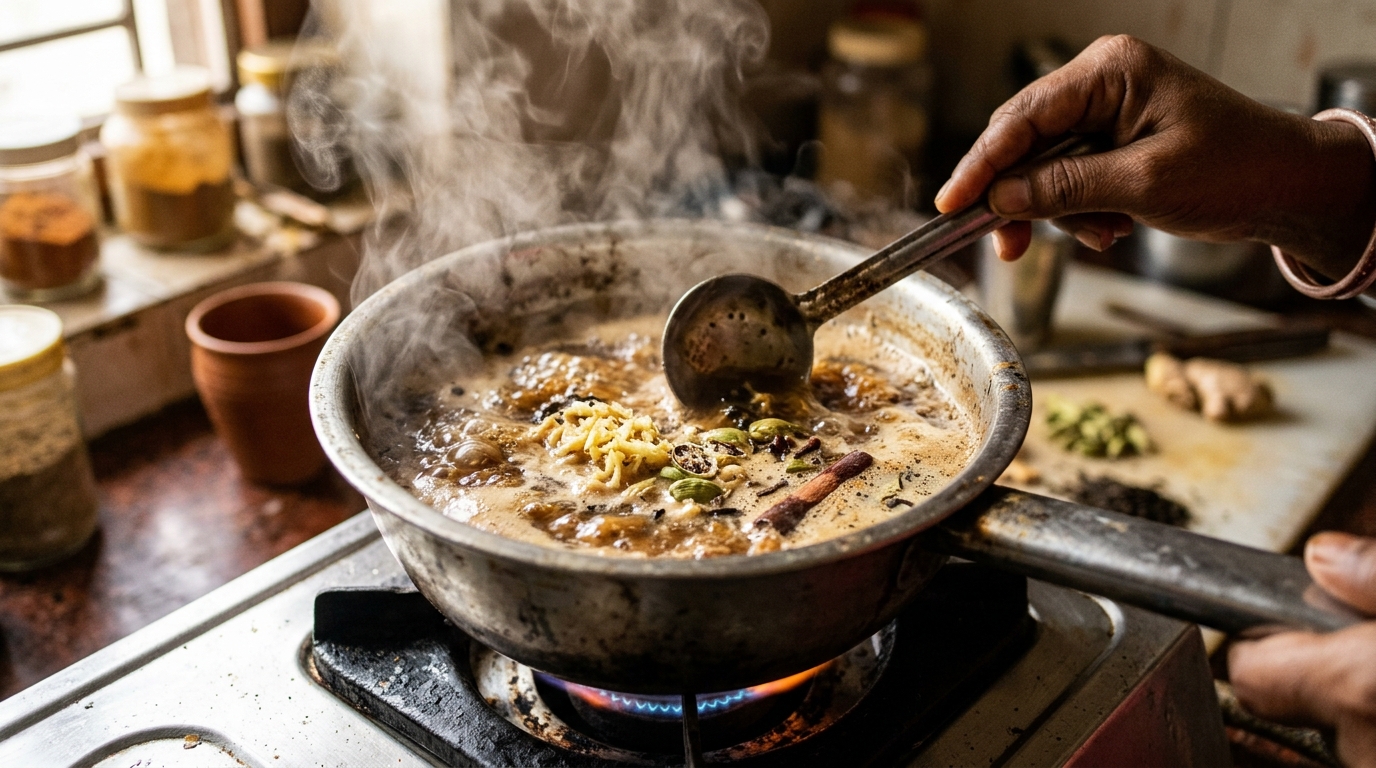
For many Indian households, a day doesn't feel complete without a cup of chai. Whether it's the first cup in the morning, a quick break during work, or an evening conversation with family, chai is part of our everyday routine.
But have you ever looked closely at the chai patti you use?
Those small, dark granules commonly found in Indian kitchens are often CTC tea. You may have seen the term Assam CTC tea on a packet or while shopping online, but what does it actually mean? And why is it such a popular choice for making strong milk chai?
Assam CTC tea is known for its bold flavour, rich colour and ability to brew relatively quickly. Yet not all CTC teas are the same. Their taste, strength and brewing characteristics can vary depending on the tea leaves, processing, grade and preparation method.
In this guide, we'll explain what Assam CTC tea is, how it's made, what different grades mean, how to choose good-quality chai patti, what affects its price and how to prepare a cup that suits your taste.
What Is Assam CTC Tea?
Assam CTC tea is tea grown in Assam, India, and processed using the Crush, Tear, Curl (CTC) method. This method turns tea leaves into small, granular pieces that release colour and flavour relatively quickly during brewing.
Assam is one of India's major tea-producing regions, particularly known for black teas with a bold, full-bodied and often malty character.
💡 The Two Parts of the Name
The term Assam CTC tea combines two distinct pieces of information:
• Assam refers to the geographical origin where the tea is cultivated.
• CTC refers to the mechanical method used to process the withered tea leaves.
This distinction matters because Assam produces different styles of tea, including both granular CTC and long-leaf orthodox varieties.
CTC tea is especially common in India because its strong character works harmoniously with milk, sugar and spices. It is widely used to prepare the kind of everyday chai enjoyed in homes, offices and tea stalls across the nation.
What Does CTC Stand for in Tea?
CTC stands for Crush, Tear, Curl.
It describes a mechanical tea-processing method in which withered tea leaves pass through specially engineered rollers fitted with interlocking teeth that crush, tear and curl them into small, dense granules.
How is CTC tea made?
The manufacturing process generally involves six precise stages:
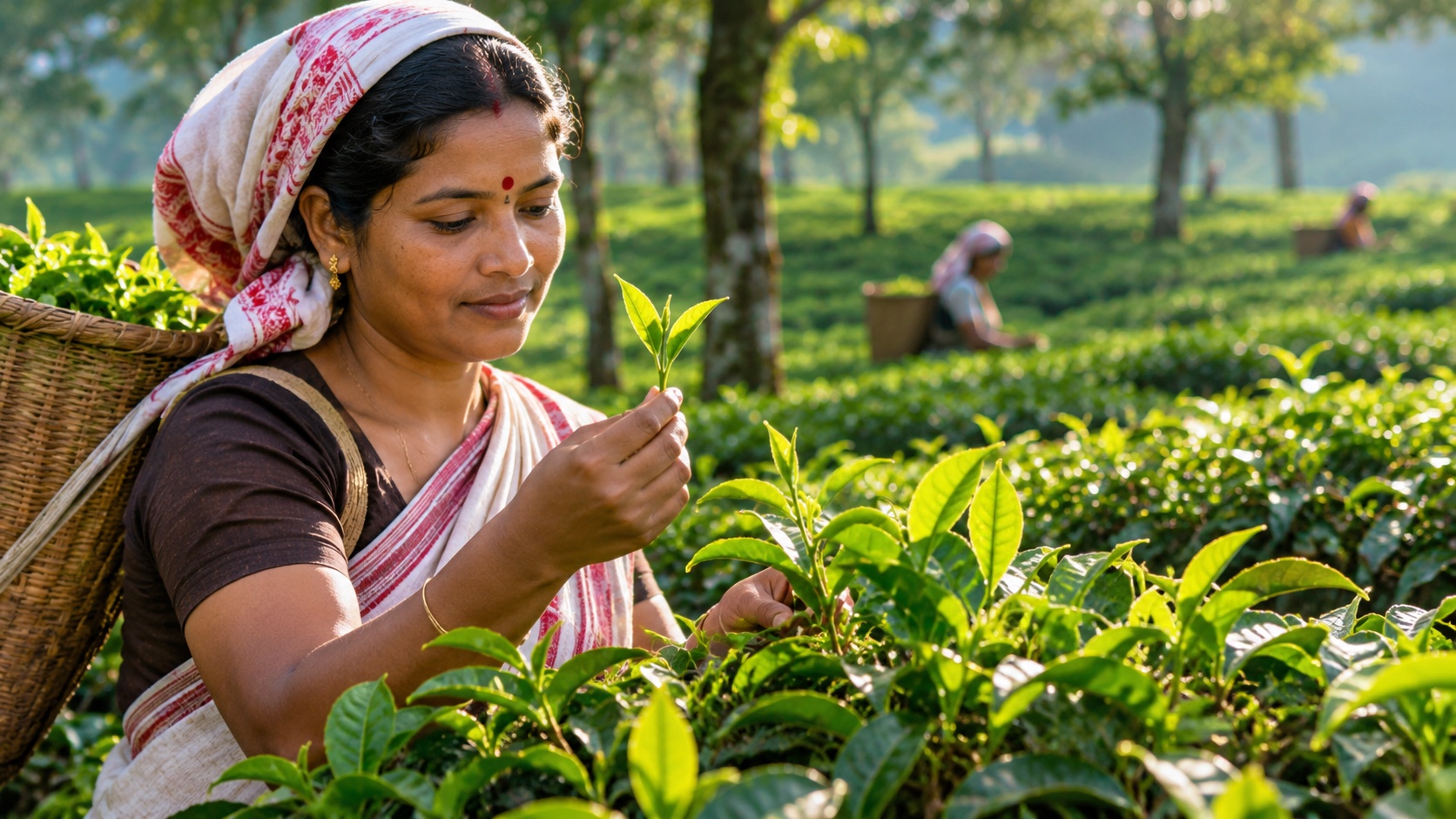
- Plucking the tea leaves: Production begins with harvesting fresh leaves from Camellia sinensis bushes. The tenderness and quality of the green leaf directly influence the finished cup.
- Withering: Freshly harvested leaves contain high moisture. During withering, air is circulated over them to reduce moisture and make them pliable for rolling.
- Crushing, tearing and curling: The withered leaves pass through high-speed CTC rollers, which shred the leaf cells and curl them into uniform granules. This is the stage that gives CTC its name.
- Oxidation (Fermentation): The broken leaves undergo controlled oxidation in humidified rooms, developing the signature copper-black colour, rich aroma, and brisk flavour of black tea.
- Drying: The oxidised tea passes through hot-air dryers to arrest oxidation, reduce residual moisture to around 3%, and stabilise shelf life.
- Sorting and grading: The dried tea is sifted through vibrating mesh screens into different commercial grades based on granule size.
Why are CTC tea leaves so small?
The small size is a deliberate outcome of the CTC process. Unlike orthodox whole-leaf teas, smaller granules expose significantly more surface area to hot water. This allows rapid, deep extraction of tea polyphenols and rich colour within 2 to 3 minutes—making it exceptionally convenient for everyday morning chai.
Why Is Assam CTC Tea Popular for Indian Chai?
- It produces a strong, full-bodied cup: Assam CTC tea is appreciated for its robust flavour. When brewed properly, it provides enough body to remain noticeably present even after adding rich milk.
- It works exceptionally well with milk: Milk softens sharp tannins and creates a velvety texture. Because Assam CTC has a bold character, its malty foundation shines through milk rather than tasting watery.
- It brews relatively quickly: Granular particles extract color and strength in minutes, perfect for busy mornings or when brewing chai for family gatherings.
- It pairs beautifully with Indian spices: Whether you add freshly crushed ginger (adrak), green cardamom (elaichi), cloves or black pepper, Assam CTC provides a sturdy backbone that complements spices without getting overpowered.
- It suits varied taste preferences: You can easily tailor your cup from light and creamy to dark and kadak simply by adjusting the leaf measure and boil time.
What Does Assam CTC Tea Taste Like?
Assam CTC tea is generally celebrated for being bold, brisk, full-bodied and malty. Here is what those terms mean in plain everyday language:
- Bold: The tea has a clear, upfront presence rather than tasting thin or watery.
- Full-bodied: The liquor feels rich and substantial on the tongue, with satisfying mouthfeel.
- Malty: A warm, comforting sweetness reminiscent of toasted grain, malted biscuits, or warm bread crust.
- Brisk: A lively, refreshing snap that awakens the senses without lingering unpleasantly.
What does Assam CTC tea taste like with milk?
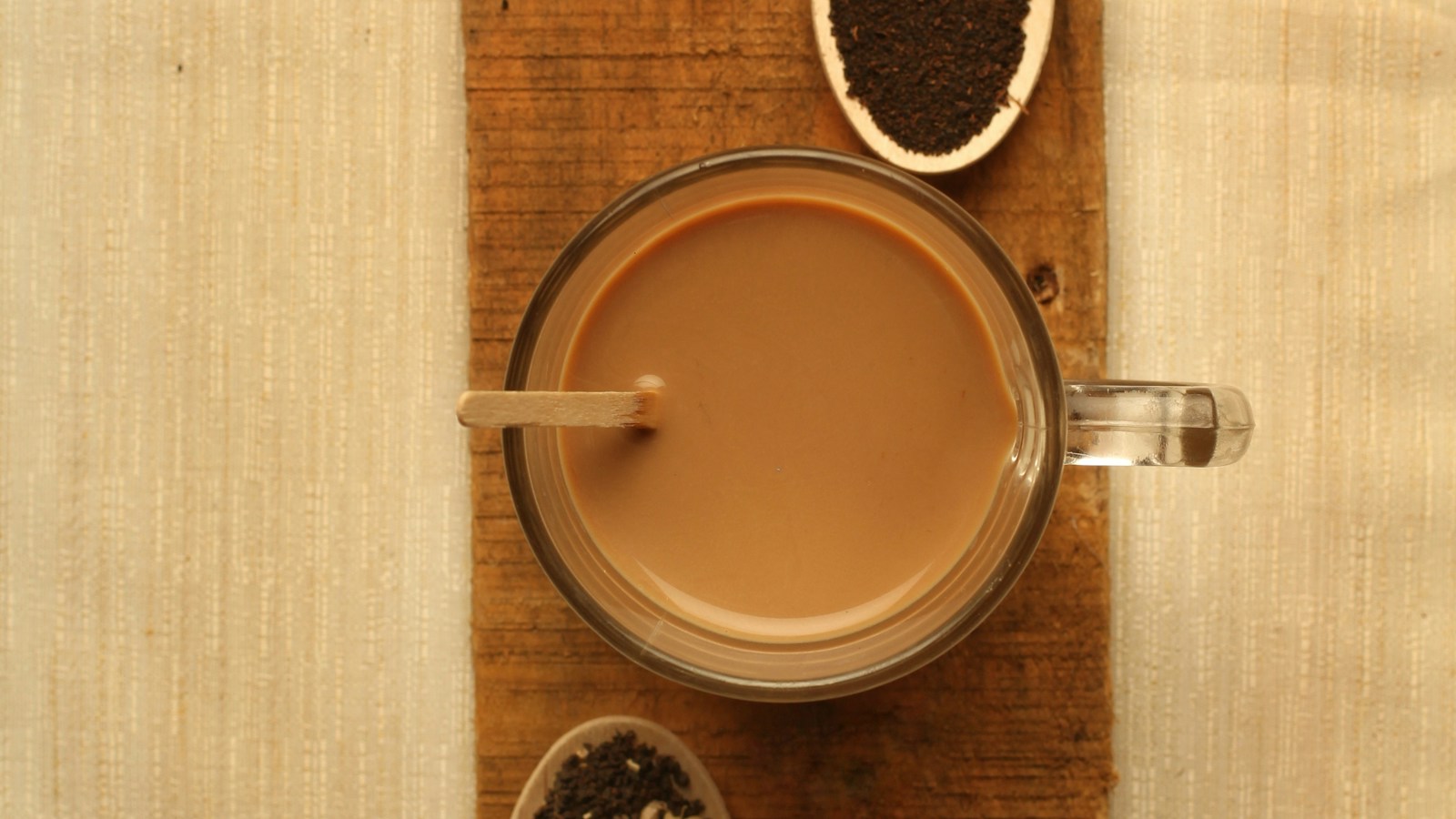
With milk, Assam CTC tea becomes deliciously smooth and creamy. The tea provides warm depth and amber color, while milk softens the brisk edges. Add a pinch of sugar or fresh spices, and you have the classic comforting Indian chai experience.
Can you drink Assam CTC tea without milk?
Yes. When prepared plain with hot water, the natural maltiness and briskness become vivid and direct. If trying plain CTC tea for the first time, use a smaller pinch of tea and steep for only 2 minutes to keep the cup balanced and smooth.
Why does CTC tea sometimes taste bitter?
Bitterness almost always stems from over-extraction:
- Using too much chai patti for the liquid volume.
- Boiling or simmering for too long on high heat.
- Repeatedly reheating chai that was prepared hours earlier.
If your chai tastes harsh, try reducing the leaf measure or simmering for a shorter duration before adding extra sugar.
What Are the Different Grades of Assam CTC Tea?
When exploring CTC tea, you will frequently see grade acronyms like BOP, BP, PF, PD and Dust. These grades classify the tea primarily by particle size and appearance:
| Tea Grade | Full Form | General Characteristics & Brewing Profile |
|---|---|---|
| BOP | Broken Orange Pekoe | Relatively larger granular particles that produce a rich, balanced, full-bodied infusion with great aroma. |
| BP | Broken Pekoe | Medium-sized granular pellets; widely popular in premium household blends for balanced strength. |
| PF | Pekoe Fannings | Smaller particles that allow relatively quick flavour release and intense amber colour. |
| PD | Pekoe Dust | Fine granular particles that infuse rapidly, creating a very strong, punchy liquor ideal for kadak chai. |
| Dust | Dust Grade | Very fine tea particles that release instant dark colour and robust strength; popular for commercial stalls. |
Find Your Everyday Chai
Prefer your chai plain, or enjoy it with familiar flavours like ginger, cardamom and spices? Explore Saapati's Assam tea range, direct from Doomdooma.
How to Make a Good Cup of Assam CTC Chai at Home
A great cup of milk chai requires no complicated equipment—just the right proportion and timing.
Ingredients for 1 Cup:
- 1 teaspoon (approx. 2.5g) of premium Assam CTC tea
- ½ cup fresh water
- ½ cup fresh milk
- Sugar or jaggery to taste
- Crushed fresh ginger or 1 lightly bruised green cardamom pod (optional)
Step-by-Step Method:
- Heat the water: Bring ½ cup water to a rolling boil in a small saucepan. Add your ginger or cardamom now so essential oils infuse the water.
- Add the Assam CTC tea: Add 1 teaspoon of tea into the boiling water. Simmer on medium heat for about 1 minute until a dark amber liquor forms.
- Add milk: Pour in ½ cup milk. Allow the mixture to warm up and gently come to a boil.
- Simmer gently: Lower the heat and let the chai simmer gently for 2 to 3 minutes until the liquid transforms into a warm, creamy caramel hue.
- Sweeten & Strain: Add sugar to taste, stir well, turn off the flame, and pour through a fine mesh strainer into your favourite cup.
How to Choose Good-Quality Assam CTC Tea
- Check origin transparency: Ensure the packet specifies genuine Assam origin (like Doomdooma, Assam) rather than ambiguous generic blends.
- Match your routine: For quick morning milk chai, a BP or PF grade works wonders. For lighter sipping, seek larger granular grades.
- Inspect the dry aroma: Fresh CTC tea should have a warm, clean, sweet malty fragrance—never musty, flat or dusty.
- Look for airtight packaging: Tea rapidly absorbs ambient moisture and kitchen odors. Quality foil-lined packaging or sealed tins ensure peak garden freshness.
- Don't judge solely by color: A very dark cup can sometimes be bitter; true quality is found in balance, aroma, and lingering malty warmth.
Assam CTC Tea Price: What Determines Its Cost?
Assam CTC tea prices vary across the market depending on several practical factors:
- Leaf selection: Tender two-leaves-and-a-bud harvests yield sweeter, aromatic teas that command higher prices than mature coarse pickings.
- Garden reputation: Single-origin estates with superior soil and careful manufacturing produce higher-value teas.
- Flush season: Second flush harvests (May–June) typically deliver the richest maltiness and highest market value.
- Packaging and distribution: Multi-layer barrier bags that lock in freshness add minor packaging cost but protect the tea far better than loose unsealed sacks.
💡 How to Compare Prices Fairly
Always compare the price per 100 grams rather than just looking at overall packet size. A 250g pack at ₹189 is ₹75.60 per 100g, whereas a bulk 750g pack at ₹479 drops the price to ₹63.86 per 100g—offering substantial everyday savings.
Is Assam CTC Tea Healthy?
Assam CTC tea is a natural infusion of Camellia sinensis. It contains natural tea polyphenols, including theaflavins and thearubigins that form during oxidation. These compounds are widely studied for their antioxidant properties.
Assam tea naturally contains caffeine, providing a gentle, alert focus without the jittery spike often associated with coffee. If you enjoy multiple cups daily, moderating added sugar allows you to enjoy all the natural comforting benefits of tea guilt-free.
How Should You Store Assam CTC Tea?
- Store in an opaque, airtight tin or container.
- Keep in a cool, dry pantry shelf away from direct sunlight.
- Keep away from cooking stoves, steam, and pungent spices (like garlic or hing).
- Always use a clean, dry spoon to scoop out tea.
Frequently Asked Questions About Assam CTC Tea
The Takeaway
Assam CTC tea has become a cherished part of Indian culture for good reason. Its bold character, quick brewing convenience, and natural affinity for milk make it a daily joy in millions of homes.
A truly great cup of chai isn't necessarily the strongest or most expensive one—it is the fresh, aromatic cup you genuinely look forward to drinking every single day.