If you have ever enjoyed a strong cup of Indian chai in the morning, there is a good chance Assam tea has been part of that experience. Known for its bold character, rich colour and distinctive malty flavour, Assam tea has earned a special place in everyday tea drinking across India.
But what exactly makes Assam tea different from other teas? Is it the region where it grows, the way it is processed, or the way it tastes in your cup?
The answer is a combination of all three.
In this guide, we’ll explore what Assam tea is, where it comes from, how CTC tea is made, what it tastes like, how much caffeine it may contain, and how to prepare a satisfying cup at home.
What Is Assam Tea?
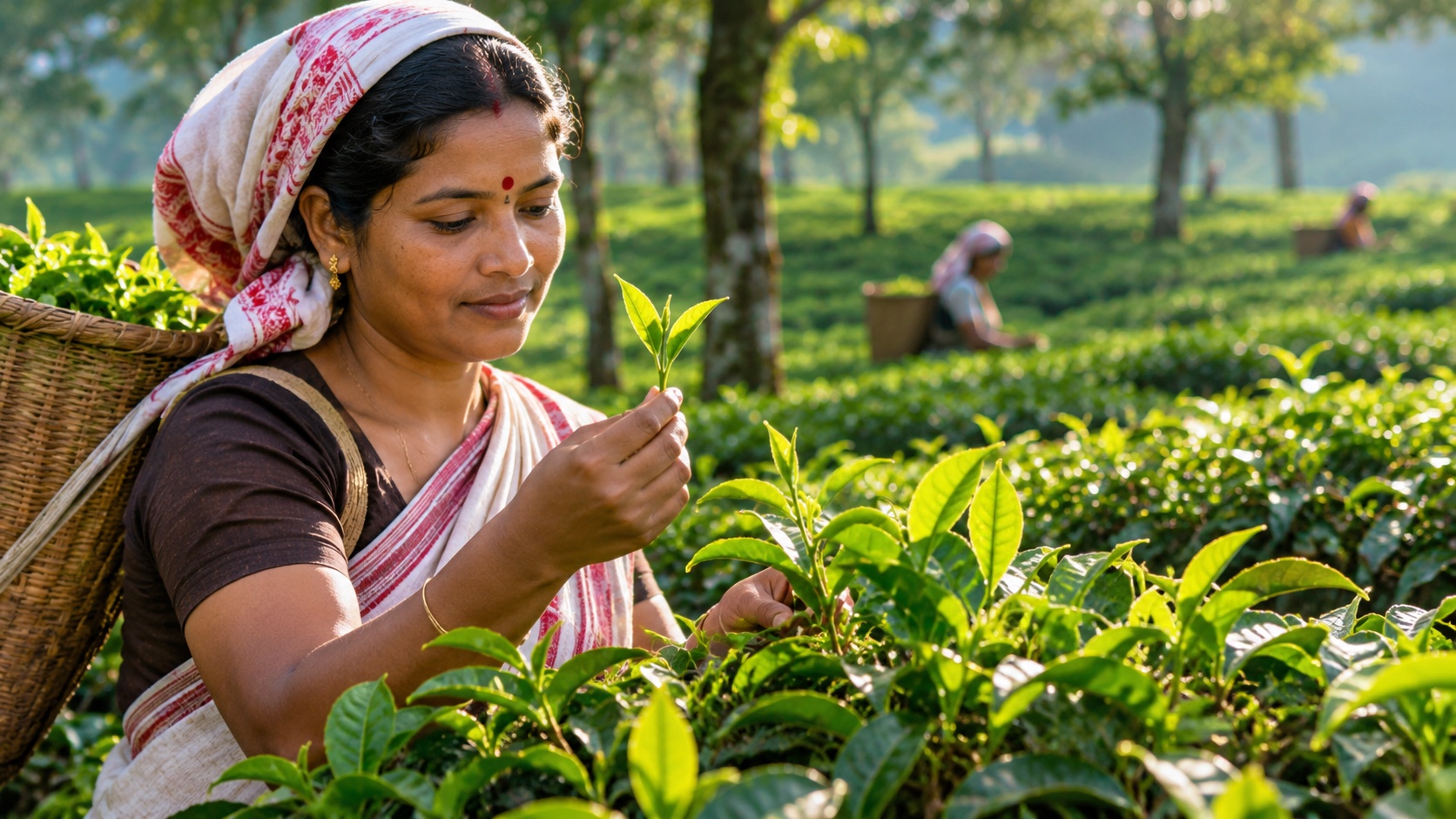
Assam tea is tea grown in the Indian state of Assam, located in the northeastern part of the country. The region is one of the world's best-known tea-growing areas and is particularly recognised for producing black tea with a strong, full-bodied character.
Tea comes from the plant Camellia sinensis. Assam tea is often associated with the indigenous Assam variety, Camellia sinensis var. assamica, which is renowned for its broad leaves and natural suitability to the region's humid, tropical growing conditions.
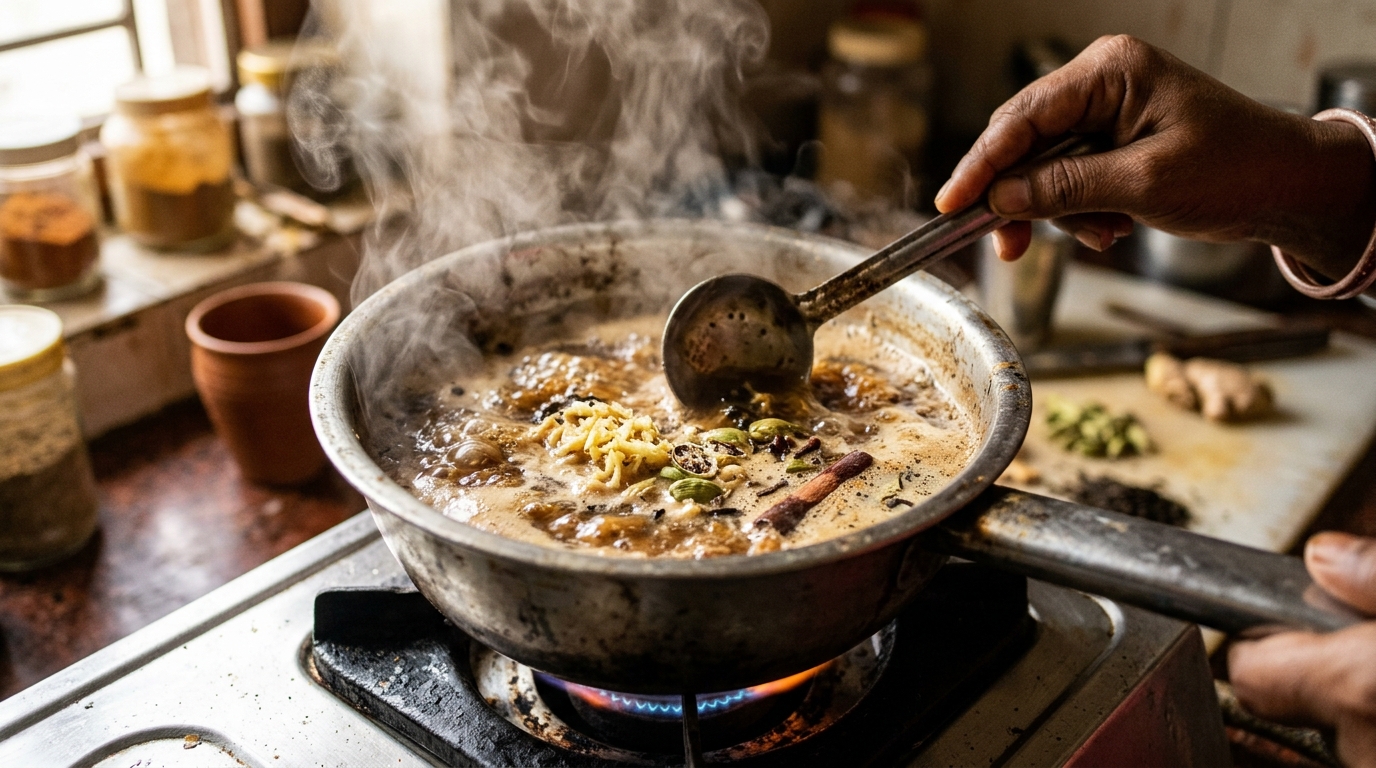
Assam tea is commonly used in Indian chai because its bold flavour holds up exceptionally well when brewed with milk and aromatic spices. It is also enjoyed without milk by tea lovers who prefer to experience its natural briskness and maltiness more directly.
💡 An Important Distinction
Assam tea refers strictly to the tea’s geographic origin, not just a particular recipe or preparation method. Tea harvested in Assam can be processed in different ways, resulting in distinct styles of tea.
Where Does Assam Tea Come From?
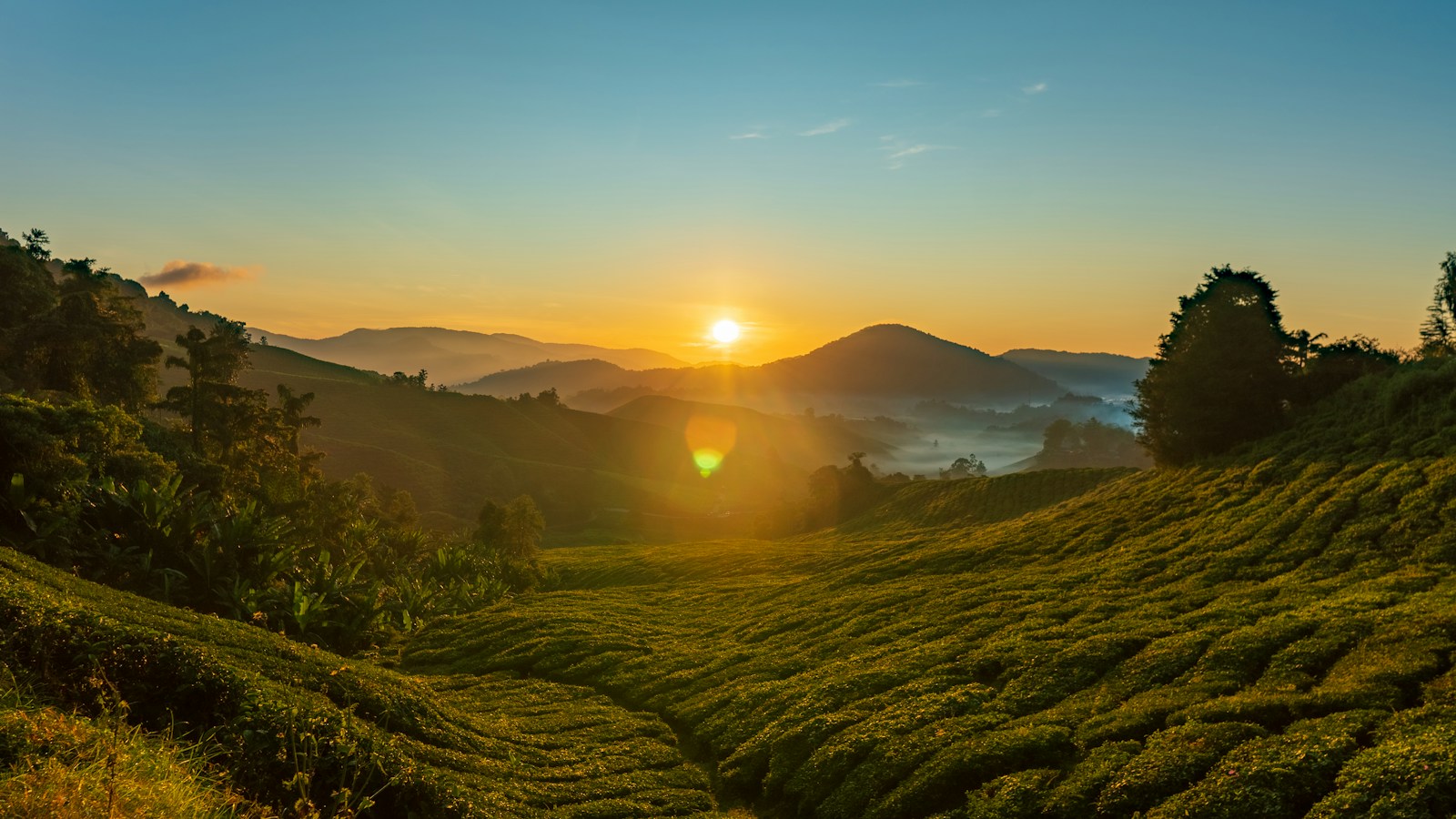
Assam is situated in the fertile Brahmaputra River Valley. It experiences a warm, humid climate accompanied by copious rainfall during the monsoon months. These unique conditions create rich, alluvial topsoil that nourishes lush tea gardens across the state.
The environment influences how tea plants flourish, while factors such as the specific tea variety, estate garden, seasonal flush, plucking precision and processing craft all contribute to the final character of each batch.
Assam has a historic legacy of tea cultivation spanning nearly two centuries. Today, Assam black tea is celebrated internationally for its punchy briskness and hearty warmth. The region produces both CTC granules and whole-leaf orthodox teas.
What Makes Assam Tea Special?
Assam tea is especially appreciated for four distinctive attributes that make it uniquely versatile for everyday tea preparation:
- A bold, full-bodied taste: Assam tea is renowned for its rich, malty and hearty mouthfeel. “Strong” does not mean harsh or bitter—a properly prepared cup provides depth and liveliness without astringent bite.
- A rich, luminous colour: When brewed, Assam black tea releases a deep amber, reddish-brown liquor that is instantly recognisable in the cup.
- It pairs exceptionally well with milk: The natural strength of Assam tea leaves ensures that its deep tea flavour remains upfront and distinct, even after combining with milk and sweetness.
- Versatile processing styles: Assam offers both high-energy CTC granular teas for quick morning chai and orthodox whole-leaf styles for slower, contemplative infusions.
What Is Assam CTC Tea?
CTC stands for Crush, Tear, Curl. It is a specialised tea-processing method where freshly harvested and withered tea leaves pass through cylindrical rollers fitted with hundreds of sharp teeth. These rollers crush, tear and curl the green leaves into tight, uniform granular pellets.
Because the leaves are broken into small granules, CTC tea infuses rapidly when exposed to boiling water or milk, releasing robust colour and brisk malt notes in minutes. This makes it the undisputed gold standard for everyday Indian milk chai.
CTC Tea vs. Orthodox Tea
Orthodox tea is produced using gentler rolling techniques that preserve the natural twist and integrity of the whole leaf. In contrast, CTC tea is processed into granular pellets. Here is how they compare:
| Feature | CTC Tea | Orthodox Tea |
|---|---|---|
| Processing | Crush, Tear, Curl rollers | Traditional rolling preserving leaf shape |
| Appearance | Small, tight granules / pellets | Recognisable, twisted whole leaves |
| Brewing Speed | Brews quickly & strongly (2–4 mins) | Requires a gentler, longer steep (4–6 mins) |
| Common Use | Everyday Indian milk chai, boiled chai | Plain black tea, afternoon cups, floral notes |
| Taste Profile | Bold, malty, brisk, robust | Complex, nuanced, lighter body, subtle notes |
What Does Assam Tea Taste Like?
Assam tea is globally famous for its malty, brisk and full-bodied taste. Maltiness gives the tea a comforting, warm, slightly sweet grain-like depth—similar to freshly baked whole-grain bread or malted biscuits.
Several key factors shape the exact taste of your cup:
- Tea variety & garden: Single-origin estates like Doomdooma produce distinct soil and climatic nuances.
- Processing style: CTC delivers quick punchy malt, while orthodox emphasizes lighter floral subtleties.
- Tea leaf quantity: Using more tea increases strength and body.
- Brewing duration: Longer boiling deepens strength, but over-boiling can introduce excessive bitterness.
- Milk and spices: Milk softens tannins and creates a velvety mouthfeel; ginger (adrak) or cardamom (elaichi) elevate warmth.
What does Assam milk tea taste like?
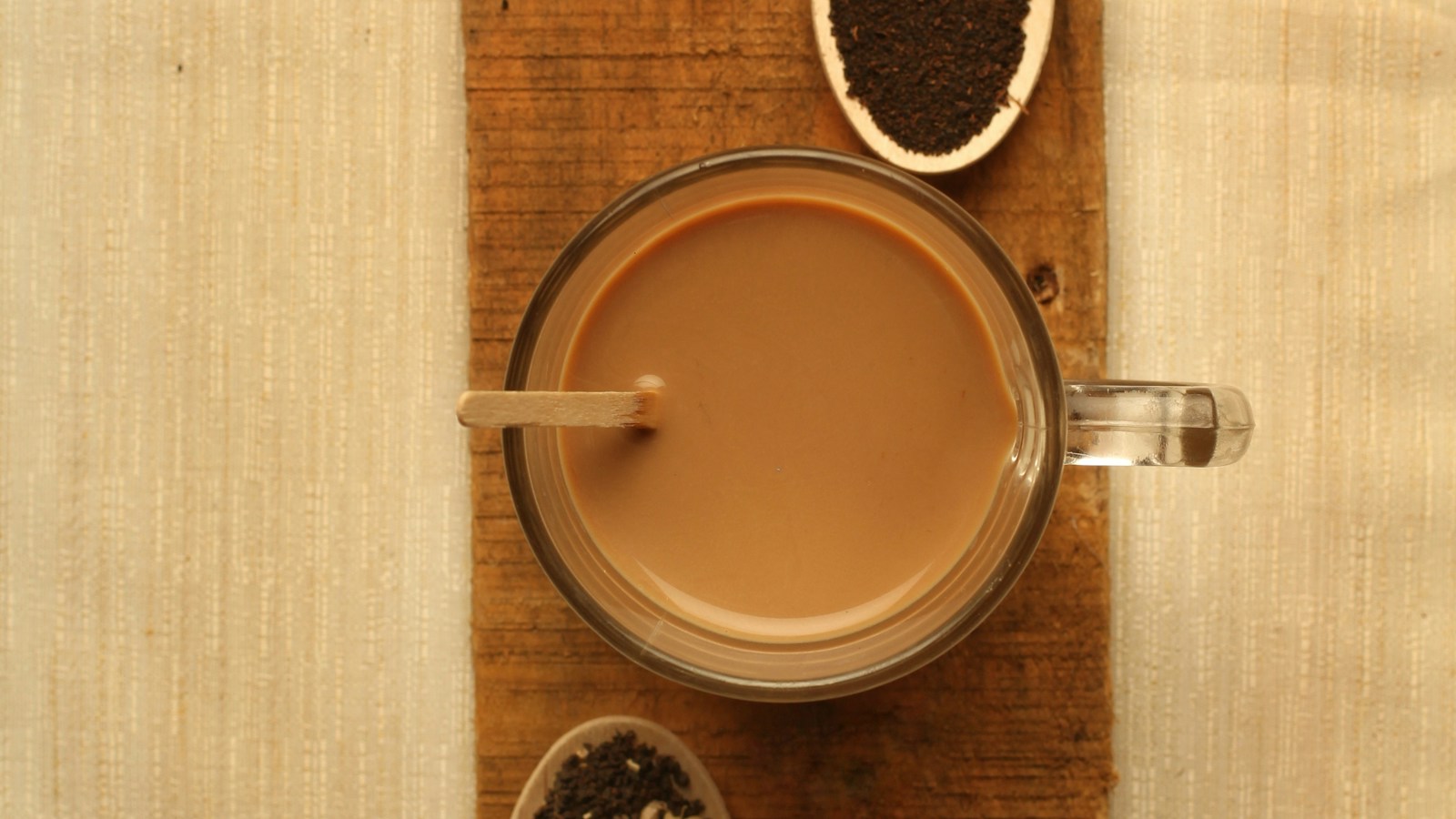
Assam milk tea offers a rich, hearty and comforting cup. The tea provides a solid foundation of malty depth, while fresh milk softens the edges, creating a luxurious creaminess that balances the natural briskness of the tea leaves.
Is Assam Tea the Same as Earl Grey?
No, they are fundamentally different, although they occasionally overlap in blends:
- Assam specifies an origin—tea grown and harvested in the Assam region of northeastern India.
- Earl Grey specifies a flavour style—black tea leaves scented with oil extracted from the rind of bergamot, a fragrant citrus fruit.
While some Earl Grey blends use an Assam black tea base, Assam tea is traditionally savoured unflavoured or infused with native Indian culinary spices like ginger, cardamom, cinnamon, and cloves.
Is Assam Tea High in Caffeine?
Assam tea naturally contains caffeine because it is crafted from Camellia sinensis leaves. However, the exact caffeine content in your mug is not a fixed number—it depends heavily on preparation:
- The grade and quantity of tea leaves used
- Water temperature and boiling time
- Ratio of water to milk
Note: A stronger-tasting cup does not automatically mean higher caffeine. Flavour boldness and caffeine extraction operate on different chemical scales. If you are sensitive to caffeine, enjoy smaller servings earlier in the day or opt for a shorter brew time.
Do You Put Milk in Assam Tea?
You can enjoy Assam tea both ways—with or without milk. Both are traditional and rewarding:
- Assam tea with milk: The cornerstone of Indian tea culture. Assam's robust body never washes out under milk, making it ideal for sweet morning chai or spiced evening tea.
- Assam tea without milk: Brewing Assam leaves in pure hot water reveals the direct, unadorned malt sweetness, amber clarity, and natural briskness of the garden leaves.
Find Your Everyday Chai
Enjoy pure, garden-fresh Assam tea plain, or explore authentic handcrafted blends like Adrak, Elaichi, and Masala Chai from Saapati.
How to Brew a Good Cup of Assam Tea
A great cup of tea doesn't need complicated gear—just fresh ingredients and mindful timing.
1. For a Simple Black Tea (Water Only)
- Bring 200 ml of fresh, filtered water to a rolling boil (100°C).
- Add 1 teaspoon (about 2.5g) of Assam CTC tea to your teapot or cup.
- Allow to steep for 2 to 3 minutes. Adjust shorter for a gentle cup, or longer for a bolder character.
- Strain the leaves and enjoy hot.
2. For Classic Indian Milk Chai
- In a saucepan, bring 1/2 cup water and 1/2 cup milk to a gentle simmer.
- Add 1 rounded teaspoon of Saapati CTC tea (and freshly crushed ginger or bruised cardamom pods if desired).
- Let the mixture boil gently for 2 to 3 minutes until the liquid turns a rich caramel-brown hue.
- Add raw sugar or jaggery to taste, strain into your favourite kulhad or mug, and savour while steaming.
What Should You Look for When Choosing Assam Tea?
- Match your style: For milky, spicy chai, choose premium CTC tea. For delicate afternoon sipping with lemon or water, select whole-leaf orthodox.
- Garden traceability: Look for single-origin transparency (such as Saapati's Doomdooma, Assam estate sourcing) rather than generic, stale mass-market blends.
- Freshness & storage: Tea absorbs moisture and ambient aromas quickly. Keep your tea in an opaque, airtight tin away from direct sun, steam, and spice racks.
Frequently Asked Questions About Assam Tea
The Takeaway
What makes Assam tea truly special is not just its bold flavour. It is the harmony of its heritage, fertile Brahmaputra soil, master processing, and the diverse ways people celebrate it every day.
Whether you prefer a strong, spicy kadak chai in the morning, a delicate plain cup in the afternoon, or a soothing brew after dinner, Assam tea provides the perfect canvas to make your everyday cup personal and comforting.